
A quality vehicle wrap is designed to be removable, but age, film condition, installation quality, previous paintwork, sun exposure, and Ontario’s changing temperatures can all affect how easily it comes off.
At It’s aWrap™, we’ve been wrapping and removing vinyl from vehicles in Mississauga and across the GTA for more than 15 years. From personal vehicles and luxury cars to commercial fleets, we’ve seen the difference that proper installation, quality film, maintenance, and timely removal can make.
Here’s what Ontario drivers should know before removing an old vehicle wrap.
When Should You Remove a Vinyl Car Wrap?
There isn’t one universal lifespan for every vehicle wrap. How long a wrap lasts depends on the film manufacturer, finish, installation, maintenance, vehicle storage, orientation of the panels, and exposure to weather and UV.
Instead of waiting until the film becomes severely deteriorated, watch for signs that the wrap is approaching the end of its useful life.
Signs It May Be Time to Remove Your Wrap
- Edges beginning to lift or peel
- Noticeable fading or discolouration
- Cracking or deterioration of the vinyl
- Adhesive becoming increasingly difficult to manage
- Damage to individual wrapped panels
- You want to change the vehicle’s colour
- Your business is updating its branding
- You’re preparing the vehicle for sale or lease return
Removing an aging wrap before it becomes severely brittle or deteriorated can make the removal process considerably easier.
If you’re considering replacing your existing wrap with a new colour or finish, explore our car wrap services in Mississauga.
Why Proper Vinyl Wrap Removal Matters
Removing vinyl isn’t always as simple as finding an edge and pulling.
As a wrap ages, repeated exposure to sunlight, heat, cold, road salt, moisture, and other environmental conditions can affect both the film and adhesive.
Poor removal techniques can result in:
- Large amounts of adhesive residue
- Vinyl tearing into small pieces
- Unnecessary stress on the underlying finish
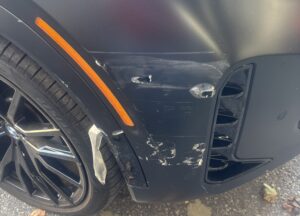
- Damage to vulnerable repainted or previously repaired panels
- Significantly longer removal times
This is one reason the quality of the original installation matters long after the wrap has been installed.
Premium films from established manufacturers such as 3M, Avery Dennison, and KPMF are designed with installation and eventual removal in mind. You can learn more about the films we use in our guide to the best car wrap brands.
How Is a Car Wrap Professionally Removed?
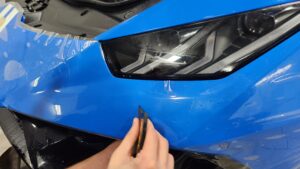
Professional wrap removal generally involves controlled heat, careful peeling techniques, and safe removal of any remaining adhesive.
The exact process depends heavily on the age and condition of the wrap.
1. Inspect the Vehicle and Wrap
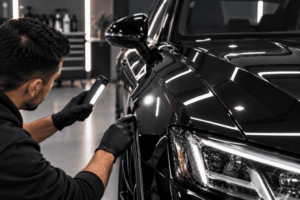
Before removal begins, the condition of the vinyl and underlying vehicle should be evaluated.
Areas with previous bodywork, repainted panels, damaged clear coat, peeling paint, or deteriorated vinyl may require additional care.
2. Carefully Warm the Vinyl
Controlled heat can soften the film and adhesive, making the vinyl easier to remove.
The appropriate amount of heat depends on the film and its condition. Excessive heat can make removal more difficult and can create unnecessary risk, which is why simply attacking an old wrap with a household heat gun isn’t recommended.
3. Remove the Film Panel by Panel
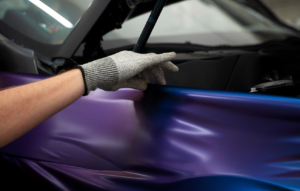
The vinyl is carefully pulled back at a controlled angle rather than aggressively pulled away from the vehicle.
An experienced installer adjusts the removal technique based on how the film and adhesive respond.
4. Remove Remaining Adhesive
Depending on the film’s age and condition, some adhesive may remain after removal.
Automotive- and vinyl-safe adhesive removers can be used to clean the surface without unnecessarily exposing the finish to aggressive solvents.
5. Clean and Inspect the Paint
Once the vinyl and adhesive have been removed, the vehicle can be cleaned and the underlying paint inspected.
This is also an ideal time to determine whether the vehicle needs polishing, paint correction, another colour-change wrap, paint protection film, or another form of protection.
Does Removing a Car Wrap Damage the Paint?
On healthy factory paint, a quality vinyl wrap that was properly installed, maintained, and removed within the manufacturer’s recommended service life can generally be removed without damaging the original finish.
However, there are important exceptions.
The risk can be higher when:
- A panel has previously been repainted
- Paint or clear coat was already failing before installation
- Body repairs were performed improperly
- The wrap has remained installed well beyond its intended service life
- Low-quality film or adhesive was used
- The original installation damaged the underlying paint
This is why a reputable wrap shop should inspect the vehicle before promising what the paint will look like underneath.
A wrap can help preserve healthy OEM paint from UV exposure, minor abrasions, contamination, and everyday wear, but it cannot repair or stabilize paint that was already compromised.
Can You Remove a Car Wrap Yourself?
Technically, yes. But whether you should depends on the vehicle, film, age of the wrap, and condition of the underlying paint.
A relatively new wrap on healthy factory paint may come off cleanly. An older wrap that has spent years outside through Ontario summers and winters can be a completely different job.
DIY removal becomes particularly risky when:
- The vinyl is brittle or cracking
- The vehicle has repainted panels
- The film repeatedly tears during removal
- Large amounts of adhesive remain behind
- You don’t know what film was originally installed
If the wrap is heavily aged or you are unsure about the paint underneath, professional removal is generally the safer option.
Why Ontario’s Climate Can Make Wrap Removal More Difficult
Ontario exposes vehicle wraps to substantial seasonal temperature changes.
During their service life, wraps may experience:
- Hot summer sun and prolonged UV exposure
- Sub-zero winter temperatures
- Road salt and brine
- Repeated freeze-thaw cycles
- Moisture and contamination around edges and seams
Over several years, these conditions can affect how the film and adhesive behave during removal.
That makes proper maintenance and timely removal especially important for vehicles driven year-round in Mississauga, Oakville, Milton, Burlington, Toronto, and throughout Southern Ontario.
Professional Wrap Removal vs DIY
Professional removal becomes particularly valuable when dealing with a full vehicle, older film, expensive paintwork, commercial vehicles, or a vehicle that will immediately be rewrapped.
An experienced wrap shop can:
- Assess the condition of the existing film
- Identify potentially vulnerable paint before removal
- Control heat throughout the process
- Use appropriate adhesive-removal products
- Work efficiently across complicated panels and body lines
- Prepare the surface for its next wrap or protection service
The goal isn’t simply to get the vinyl off. It’s to remove it as efficiently and carefully as possible while preserving the surface underneath.
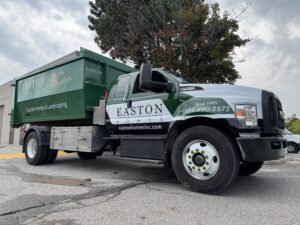
Removing Commercial Vehicle and Fleet Wraps
Wrap removal is particularly important for businesses replacing or updating vehicle graphics.
Commercial vehicles may need to be de-wrapped because of:
- Company rebranding
- Updated phone numbers or websites
- Vehicle resale
- Lease returns
- Replacement graphics
- Changes to a fleet
For businesses, downtime matters. Having removal and reinstallation handled by the same professional shop can streamline the process and get vehicles back on the road faster.
If your company is updating its fleet, explore our commercial vehicle and fleet wrap services.
Can a Vinyl Wrap Be Reused After Removal?
No. A vehicle wrap cannot normally be removed and then reapplied.
The film has already been stretched, conformed, trimmed, and bonded to the original panels. Once removed, it is no longer suitable for another installation.
The vehicle can, however, be prepared and wrapped again with a completely new colour or design.
For owners who enjoy changing the appearance of their vehicles every few years, this reversibility is one of the major advantages of professional colour-change wraps.
What Should You Do After Removing a Wrap?
Once the old film has been removed, you have several options depending on the condition of the vehicle and your plans for it.
You can:
- Leave the original paint exposed
- Polish or correct the paint where appropriate
- Install another colour-change wrap
- Protect the factory paint with PPF
- Apply ceramic coating for easier maintenance and added gloss
- Install new commercial graphics or branding
If you’re returning to exposed paint, our ceramic coating services can provide an additional layer of chemical resistance, gloss, and hydrophobic performance.
Should You Remove an Old Wrap Before Selling Your Car?
It depends.
If the wrap is still in excellent condition and suits the vehicle, some buyers may consider it an advantage. However, other buyers may want to inspect the factory paint underneath before purchasing.
If the wrap is faded, peeling, damaged, or significantly aged, professional removal before listing the vehicle can make sense.
It also gives you an opportunity to inspect and clean the original finish before showing the car to potential buyers.
Final Thoughts: Don’t Wait Until Your Wrap Is Falling Apart
A properly installed vehicle wrap is designed to be removable, but waiting too long can make that process substantially more difficult.
Film quality, installation, maintenance, paint condition, exposure, and age all influence how a wrap behaves when it’s time for it to come off.
If your existing wrap is fading, lifting, cracking, or you’re simply ready for a new look, It’s aWrap™ can assess its condition, safely remove the existing film, and prepare your vehicle for whatever comes next.
Whether that’s another car wrap, paint protection film, or ceramic coating, we’ll help you choose the right option for your vehicle.
Contact It’s aWrap™ to discuss your wrap removal or rewrap project.