
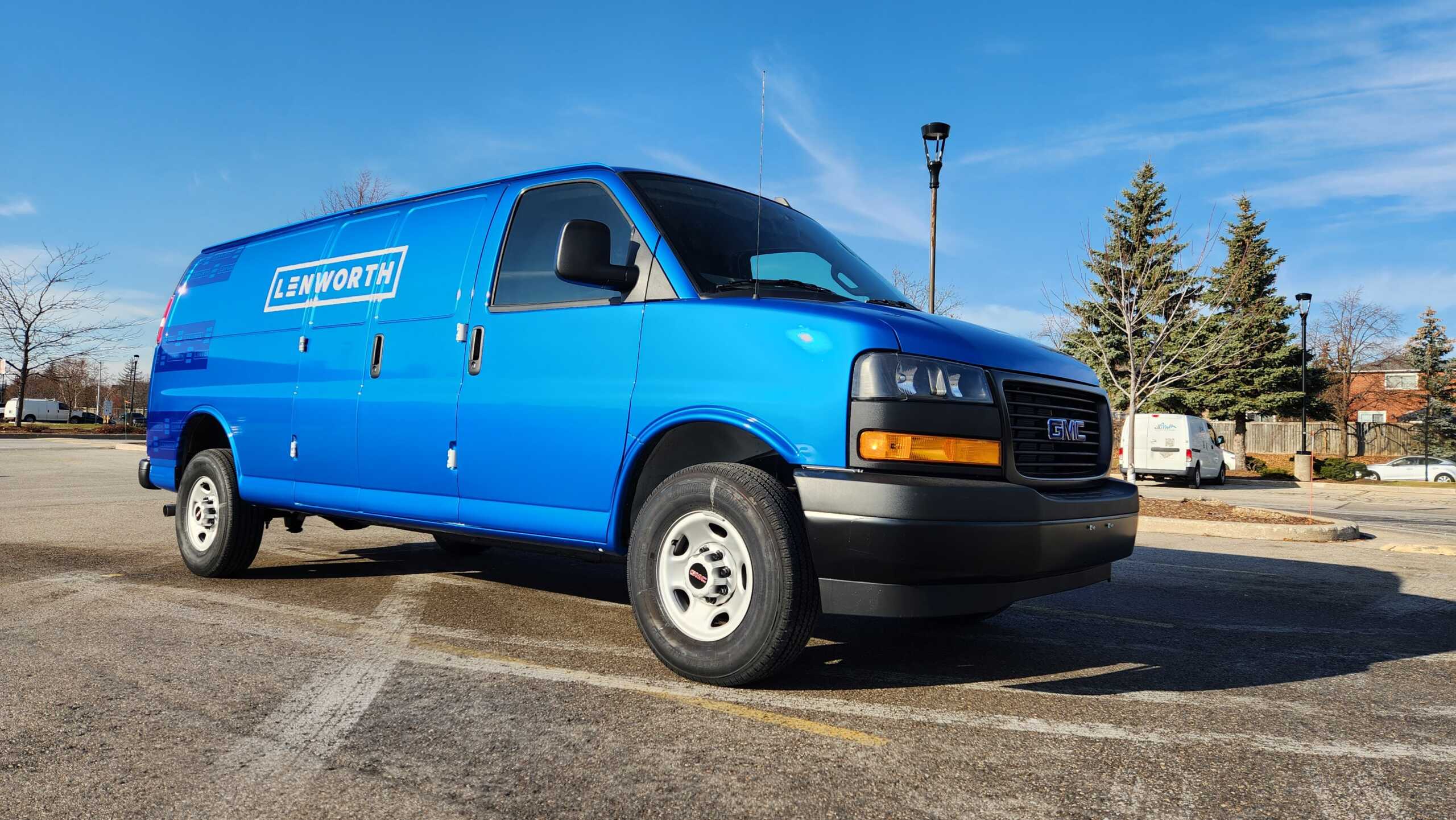
A professionally installed commercial vehicle wrap is designed to handle everyday driving, but how you care for it can make a significant difference in how it looks over time. Work vehicles are often exposed to road salt, dirt, construction debris, sunlight, frequent driving and repeated loading and unloading, making proper maintenance especially important.
Regular cleaning and early attention to damaged or lifting areas can help keep your fleet graphics looking professional while getting the most useful life from the vinyl. That’s particularly important when the vehicle represents your business every day.
At It’s aWrap™, we’ve been installing commercial vehicle wraps since 2010. Below are the maintenance practices we recommend to help businesses protect their wraps and keep their vehicles looking presentable on the road.
How Long Should a Commercial Vehicle Wrap Last?
A quality commercial vehicle wrap can typically last several years, but there isn’t one lifespan that applies to every vehicle.
How long your wrap lasts depends on factors such as the vinyl used, installation quality, kilometres driven, sun exposure, climate, washing habits and how the vehicle is stored.
Different parts of the same vehicle can also age differently. Horizontal surfaces and areas exposed to more sunlight or physical wear may deteriorate faster than protected vertical panels.
Commercial vehicles present another challenge: they’re often driven and handled much more frequently than personal vehicles. A work van travelling between jobs every day naturally experiences more contamination and physical contact than a vehicle that spends most of its time in a garage.
Proper maintenance won’t make vinyl last forever, but it can help prevent avoidable deterioration and keep your branding looking professional throughout the wrap’s useful life.
How Often Should You Wash a Wrapped Commercial Vehicle?
Don’t wait until a wrapped vehicle is extremely dirty before washing it.
Regular washing prevents road grime, salt, insects, bird droppings and other contaminants from remaining on the vinyl for extended periods. For a commercial vehicle driven regularly, washing when visibly dirty is generally more important than following a rigid schedule.
Vehicles operating through an Ontario winter may require more frequent cleaning because road salt and winter grime can accumulate quickly around rocker panels, wheel arches, bumpers and lower doors.
If you operate several wrapped vehicles, establishing a consistent fleet-washing routine can also help maintain a uniform appearance across the business.
The Best Way to Hand Wash a Vehicle Wrap
Hand washing is generally the safest way to clean a wrapped vehicle because it gives you greater control over the products, pressure and tools contacting the vinyl.
For routine cleaning:
- Rinse loose dirt and debris from the vehicle before touching the surface.
- Use clean water with a mild, pH-neutral automotive soap suitable for vinyl.
- Wash with a clean microfibre wash mitt or other soft, non-abrasive material.
- Work from the cleaner upper areas of the vehicle toward the dirtier lower sections.
- Do not aggressively scrub stubborn contamination.
- Rinse the vehicle thoroughly so soap doesn’t dry on the vinyl.
- Dry with clean, soft microfibre towels rather than allowing hard water to leave deposits on the surface.
Avoid abrasive brushes, scouring pads or aggressive cleaning techniques. Even if they don’t immediately tear the vinyl, repeated abrasion can affect the appearance of the wrap over time.
Can You Pressure Wash a Wrapped Vehicle?
A pressure washer can sometimes be used on a wrapped vehicle, but technique matters.
High pressure directed too closely at the vinyl—particularly toward an exposed edge—can contribute to lifting or damage. The risk is greater around seams, door edges, wheel arches, bumpers and other areas where the film terminates.
Instead of relying on a universal distance or pressure setting, follow the care recommendations provided for the specific wrap film installed on your vehicle. Keep the nozzle at a sensible distance and avoid directing concentrated pressure into edges or seams.
If you’re unsure which film is installed or how it should be washed, contact the installer before using aggressive pressure-washing equipment.
Should You Take a Wrapped Vehicle Through an Automatic Car Wash?
We generally prefer hand washing for wrapped vehicles.
Automatic washes that use rotating brushes can repeatedly contact edges, seams and graphics while also introducing the possibility of surface abrasion. For a commercial wrap that needs to remain presentable for years, that isn’t ideal.
If hand washing isn’t practical, a touchless wash is generally preferable to a brush-style automatic wash, provided the chemicals and pressure used are suitable for the vinyl.
This is particularly important for fleet operators. A cleaning method that seems harmless once can create unnecessary wear when repeated dozens of times across several vehicles.
Remove Bird Droppings, Bugs, Fuel and Other Contaminants Quickly
Some contaminants deserve attention sooner than ordinary road dust.
Bird droppings, insects, tree sap, fuel residue and other aggressive contaminants shouldn’t be left sitting on the wrap unnecessarily. Heat and sunlight can make certain contamination more difficult to remove and may eventually affect the vinyl.
When possible, soften stubborn contamination with an appropriate wrap-safe cleaning solution rather than aggressively scraping or scrubbing it away.
For fuel spills around the filler area, clean the affected surface promptly rather than allowing residue to remain on the vinyl.
Be Careful Around Edges, Seams and High-Wear Areas
One of the areas we tell commercial customers to watch most closely isn’t necessarily the centre of a large panel—it’s the edges.
Door handles, bumpers, wheel arches, rocker panels, door edges and areas around body lines can experience more physical contact and contamination than flatter sections of the vehicle.
Commercial vehicles can be particularly susceptible because tools, boxes, ladders, hoses and equipment are frequently moved around them.
When loading and unloading equipment, avoid dragging objects against wrapped panels. Small areas of damage are much easier to address before they become larger problems.
Protect Your Commercial Wrap from Excessive Sun and Heat
Outdoor exposure is unavoidable for most work vehicles, but reducing unnecessary UV and heat exposure can help preserve the appearance of the vinyl.
When practical, park indoors or in shaded areas, particularly when the vehicle won’t be used for an extended period.
Be careful with waxes, polishes, ceramic products and other detailing chemicals. A product that is appropriate for gloss paint isn’t automatically appropriate for vinyl, and products suitable for gloss wraps may not be recommended for matte or satin finishes.
Always check compatibility with the specific film manufacturer or ask your installer before applying a protective product to the wrap.
Commercial Vehicle Wrap Care During Ontario Winters
Winter creates some of the toughest conditions for commercial vehicles in Ontario.
Road salt, slush, sand and grime collect quickly along the lower sections of the vehicle. Allowing that contamination to remain for long periods isn’t ideal for the wrap—or for the rest of the vehicle.
During winter, pay particular attention to:
- Rocker panels and lower doors.
- Wheel arches.
- Front and rear bumpers.
- Areas behind the wheels.
- Edges where heavy contamination accumulates.
Regular rinsing and careful washing throughout winter are much better than allowing months of road grime to build up before spring.
This is one reason maintenance matters beyond appearance. If you’ve invested in your fleet because of the benefits of commercial vehicle wraps, keeping those vehicles clean helps ensure the branding continues to represent your business professionally.
Which Cleaning Products Should You Avoid on Vehicle Wraps?
More aggressive doesn’t mean cleaner.
Avoid using products that aren’t intended or approved for automotive vinyl, particularly:
- Abrasive cleaners or compounds.
- Scouring pads and stiff brushes.
- Harsh solvents such as paint thinner or acetone.
- Aggressive degreasers unless confirmed safe for the film.
- Polishes designed to cut or correct automotive paint.
- Unknown waxes or detailing products, especially on matte and satin vinyl.
If a stain won’t come off with normal cleaning, don’t automatically reach for a stronger chemical. Contact your installer or consult the film manufacturer’s care recommendations first.
What Should You Do If the Wrap Starts Lifting?
Don’t ignore a lifting edge.
A small lifted section may collect dirt and moisture or catch during washing, potentially allowing the affected area to become larger.
Avoid cutting, gluing or attempting to repair the vinyl yourself unless you have experience working with automotive wrap film. A professional installer can determine whether the area can be corrected or whether a section needs replacement.
At It’s aWrap™, we’re particularly interested in catching these issues early. Minor problems are often easier to evaluate before contamination works underneath the vinyl or the affected area grows.
Can Damaged Commercial Graphics Be Replaced Without Rewrapping the Entire Vehicle?
Often, yes.
One advantage of professionally planned commercial graphics is that damage to one area doesn’t necessarily mean the entire vehicle needs to be rewrapped. Depending on the design, film condition and location of the damage, an individual panel or graphic section may be replaceable.
This can be especially useful for fleet vehicles, where bumpers, doors and lower panels may experience more wear than the rest of the wrap.
Colour and appearance can change as vinyl ages, however, so a newly replaced section may not always match older material perfectly. That’s another reason to have the damage assessed before deciding how to repair it.
Keep Your Entire Fleet Consistent
For businesses operating multiple vehicles, wrap maintenance isn’t just about protecting individual vehicles. It’s also about maintaining a consistent brand image.
If one vehicle has faded graphics, damaged panels or lifting vinyl while the rest of the fleet looks new, customers may notice the inconsistency.
Periodically inspect all wrapped vehicles for:
- Lifted edges.
- Cuts or tears.
- Fading or discolouration.
- Damaged lettering.
- Stains that cannot be safely removed.
- Collision or body damage underneath the wrap.
Keeping your fleet presentable also helps protect the long-term marketing value discussed in our guide to fleet wrap advertising ROI.
When Should a Commercial Vehicle Wrap Be Replaced?
A wrap doesn’t need to remain on a vehicle until it looks severely deteriorated.
Replacement may make sense when the vinyl begins showing significant fading, cracking, lifting or other signs of age. Businesses may also replace wraps when logos, contact information, services or overall branding change.
For a commercial vehicle, appearance matters. Once the graphics stop presenting the image you want customers to associate with your company, replacing them may make more sense than continuing to repair an ageing wrap.
Frequently Asked Questions About Commercial Wrap Maintenance
How often should I wash a wrapped work vehicle?
Wash the vehicle whenever dirt and contamination become noticeable rather than allowing grime to accumulate for extended periods. High-mileage commercial vehicles and vehicles driven during Ontario winters may require more frequent cleaning.
Can I wax a commercial vehicle wrap?
It depends on the film and its finish. Some products may be suitable for certain gloss vinyl films but inappropriate for matte or satin wraps. Always confirm compatibility with the film manufacturer or installer first.
Can I use a pressure washer on fleet graphics?
Pressure washing may be possible when performed correctly, but excessive pressure, close nozzle distances and spraying directly into film edges can damage a wrap. Follow the care requirements for the specific vinyl installed.
Can I take my wrapped work van through a car wash?
Hand washing is generally preferable. If that’s not practical, a touchless wash is usually a better option than a brush-style automatic wash, provided the cleaning chemicals and pressure are suitable for the film.
Does a dirty vehicle wrap reduce its lifespan?
Leaving contaminants such as road salt, bird droppings, insects and other grime on vinyl for extended periods can contribute to staining or deterioration. Regular cleaning helps preserve both the appearance and condition of the wrap.
Protect the Appearance of Your Commercial Vehicle Wrap
A commercial wrap represents your business every time the vehicle leaves the shop. Regular cleaning, careful washing and addressing damage early can help keep that branding looking professional throughout the useful life of the film.
Many of the same principles also apply to personal colour-change wraps. If you’re maintaining a non-commercial wrapped vehicle, you can learn more about our car wrap services and the films we install.
At It’s aWrap™, we’ve been wrapping vehicles since 2010 and work with businesses throughout Mississauga, Oakville, Milton, Burlington and Toronto. You can browse our commercial wrap projects or contact our team if you’d like us to inspect an existing wrap, discuss damaged graphics or plan new branding for your fleet.