Two of the most popular solutions are Paint Protection Film (PPF) and ceramic coating. But they aren’t interchangeable.
PPF protects against physical damage such as stone chips and scratches. Ceramic coating makes the surface more hydrophobic and easier to maintain.
That difference is exactly why the two can work so well together.
At It’s aWrap™, we’ve spent more than 15 years working with automotive protection products and have earned 700+ five-star Google reviews. In this guide, we’ll explain what each product actually does, why you might combine them, and whether paying for both makes sense for your vehicle.
PPF vs Ceramic Coating: What’s the Difference?
Before deciding whether you need both, it’s important to understand that PPF and ceramic coating solve different problems.
| Protection | PPF | Ceramic Coating |
|---|---|---|
| Stone chips | Excellent | Minimal |
| Minor scratches | Excellent | Limited |
| Hydrophobic properties | Depends on film | Excellent |
| Ease of cleaning | Good | Excellent |
| Physical impact protection | Excellent | Minimal |
| Gloss enhancement | Depends on film | Excellent |
Think of it this way:
PPF is the physical shield. Ceramic coating is the maintenance and surface-performance layer.
Neither completely replaces the other.
What Does Paint Protection Film Do?
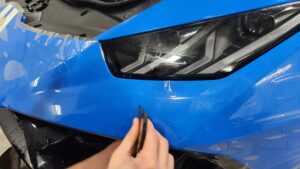
Paint Protection Film is a transparent polyurethane film installed directly over painted surfaces.
Its primary job is physical protection.
Quality PPF can help protect against:
- Stone chips and highway debris
- Minor scratches and scuffs
- Sand and gravel impact
- Bug splatter and environmental contaminants
- Everyday wear on vulnerable painted surfaces
Many modern PPF products also feature self-healing topcoats that allow certain light surface marks to diminish with heat.
For Ontario drivers, PPF is particularly useful on high-impact areas such as the front bumper, hood, fenders, mirrors, rocker panels, and other surfaces exposed to road debris.
What Doesn’t PPF Do?
PPF provides excellent impact protection, but that doesn’t make the surface maintenance-free.
Depending on the particular film, contaminants can still accumulate on its surface. Water spots, road grime, bug residue, winter salt, and other contaminants still need to be cleaned.
Some premium PPF products already have hydrophobic topcoats, which can make them considerably easier to maintain than older films.
That means adding ceramic coating isn’t automatically necessary.
Instead, ceramic coating can provide an additional hydrophobic surface for owners who want to make washing and routine maintenance even easier.
What Does Ceramic Coating Do?
Ceramic coating is a liquid coating applied to compatible automotive surfaces, including factory paint and many Paint Protection Films.
Once properly applied and cured, it creates a hydrophobic surface that can:
- Make water bead and sheet more easily
- Reduce how readily dirt and grime adhere to the surface
- Make routine washing easier
- Enhance gloss on compatible gloss surfaces
- Provide additional resistance against environmental contamination
What ceramic coating doesn’t provide is meaningful protection against stone chips.
If a stone strikes your bumper at highway speed, ceramic coating doesn’t provide the thick physical barrier that PPF does.
That’s why ceramic coating should not be marketed as an alternative to PPF when impact protection is the priority.
Why Put Ceramic Coating Over PPF?
This is where combining the two starts to make sense.
The PPF remains responsible for protecting the paint from physical impact. The ceramic coating is applied over compatible film to improve surface behaviour and maintenance.
You effectively get:
- PPF underneath: protection against stone chips, scratches, scuffs, and road debris
- Ceramic coating on top: hydrophobic performance and easier cleaning
For an Ontario vehicle driven throughout winter, this can be particularly convenient.
Instead of road grime, salt residue, bug splatter, and other contaminants adhering as readily to the film, the coated surface is generally easier to wash and dry.
Do You Need Ceramic Coating If You Already Have PPF?
No.
This is an important distinction.
A quality PPF does not require ceramic coating in order to protect your paint. If your primary concern is stone chips and physical damage, PPF is doing the important work.
Ceramic coating becomes worthwhile when you also value:
- Easier washing
- Strong water behaviour
- Less surface contamination
- Enhanced gloss on compatible films
- A more complete exterior maintenance package
Some modern PPF products already offer impressive hydrophobic properties, so the additional benefit of coating will also depend on the specific film installed.
A good installer should explain that rather than automatically selling ceramic coating with every PPF installation.
Should Ceramic Coating Go Under or Over PPF?
In most cases, PPF should be installed directly onto properly prepared paint, with a compatible ceramic coating applied afterward.
Installing a ceramic coating underneath the film without accounting for the PPF manufacturer’s installation requirements can potentially interfere with adhesion.
The typical process is:
- Wash and decontaminate the vehicle
- Correct the paint if necessary
- Prepare the surface for PPF
- Install the Paint Protection Film
- Allow the film to settle according to the installer’s process
- Apply a compatible ceramic coating to the appropriate surfaces
Always follow the requirements of the specific PPF and coating system being used.
The Most Practical Combination for Many GTA Drivers
You don’t necessarily need full-body PPF to benefit from combining these products.
For many daily-driven vehicles, one of the most practical combinations is:
Full front-end PPF + ceramic coating on the entire vehicle.
The PPF protects the panels that take the majority of direct road impact, while ceramic coating provides easier maintenance across the rest of the vehicle.
A typical full-front package can protect areas such as:
- Front bumper
- Full hood
- Front fenders
- Mirror caps
- Headlights, depending on the package
Additional PPF can then be added to rocker panels, A-pillars, rear impact areas, or other vulnerable surfaces depending on the vehicle.
What About Full-Body PPF + Ceramic Coating?
For owners who want comprehensive paint protection, full-body PPF combined with ceramic coating offers another level of coverage.
With full-body PPF, virtually every painted exterior panel receives the physical protection of film.
Adding ceramic coating over compatible PPF can then make that protected surface easier to maintain.
This combination makes the most sense for vehicles such as:
- Luxury and exotic vehicles
- Performance cars
- New vehicles being kept long-term
- High-mileage highway vehicles
- Vehicles whose owners place a high priority on preserving the original paint
It’s a significantly larger investment, however, and isn’t necessary for every vehicle.
Why This Combination Makes Sense in Ontario
GTA vehicles encounter a particularly demanding combination of conditions throughout the year.
Winter brings salt, brine, sand, slush, and constant contamination. Spring and summer introduce construction debris, insects, tree sap, pollen, and highway driving.
PPF and ceramic coating address different parts of that problem.
Highway Driving
PPF protects vulnerable panels from stones and debris encountered on highways such as the 401, 403, QEW, 427, and Gardiner.
Winter Driving
PPF provides a physical barrier over protected paint, while ceramic coating can make salt and winter grime easier to remove during routine washing.
Summer Maintenance
A coated surface can make contaminants such as bug residue, dirt, and environmental fallout easier to clean before they remain on the surface for extended periods.
The result isn’t an indestructible or maintenance-free vehicle. It’s a vehicle that has substantially more protection against physical damage and a surface that’s generally easier to maintain.
PPF Only vs Ceramic Only vs Both
| Your Priority | Best Option |
|---|---|
| Preventing stone chips | PPF |
| Making the vehicle easier to wash | Ceramic Coating |
| Improving water behaviour | Ceramic Coating |
| Protecting highway-driven front-end paint | PPF |
| Maximum physical paint protection | Full-Body PPF |
| Impact protection + easier maintenance | PPF + Ceramic Coating |
Does Ceramic Coating Make PPF Last Longer?
It’s better to think of ceramic coating as making PPF easier to maintain rather than guaranteeing that the film will last longer.
The lifespan of Paint Protection Film depends on many factors, including:
- Film quality
- Installation quality
- UV and environmental exposure
- Vehicle storage
- Driving conditions
- Washing and maintenance habits
Ceramic coating can reduce how readily contaminants adhere to the surface and make washing easier, but it doesn’t replace proper PPF maintenance.
Read our PPF care and maintenance guide for more information.
Is PPF + Ceramic Coating Worth the Cost?
That depends on what you’re trying to accomplish.
If you’re mainly concerned about keeping a lower-mileage vehicle looking glossy and easy to wash, ceramic coating alone may be sufficient.
If stone chips are your main concern, prioritize PPF.
If you want both impact protection and easier maintenance, combining the two makes sense.
Before spending money on both, consider:
- How long you intend to own the vehicle
- How much highway driving you do
- Whether the vehicle is driven throughout winter
- Where it’s normally parked
- The condition of the existing paint
- How particular you are about maintaining its appearance
There isn’t one package that’s right for everyone.
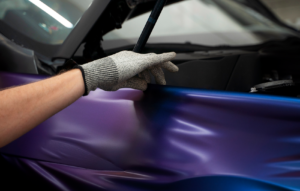
Can Ceramic Coating Be Applied to Coloured PPF?
In many cases, yes, provided the coating is compatible with the particular film.
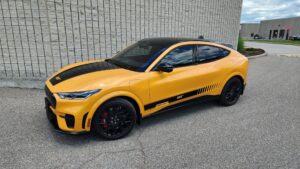
This can be especially useful for coloured PPF, where owners are combining a colour change with physical paint protection.
Gloss, satin, and matte films can have different maintenance requirements, so the coating should always be selected with the film’s finish and manufacturer’s recommendations in mind.
PPF and Ceramic Coating at It’s aWrap™
At It’s aWrap™, we offer both Paint Protection Film and ceramic coating from our Mississauga shop.
Depending on the vehicle and how it’s used, we can recommend:
- Partial-front PPF
- Full front-end PPF
- High-impact-area PPF
- Full-body PPF
- Coloured PPF
- Ceramic coating
- PPF + ceramic coating packages
The objective isn’t to put every available product on every vehicle. It’s to determine which surfaces actually need physical protection and where ceramic coating provides worthwhile additional convenience.
Final Thoughts: Do PPF and Ceramic Coating Work Better Together?
For the right vehicle, absolutely—but because they perform different jobs.
PPF is the product to prioritize when you want protection against stone chips, scratches, and road debris.
Ceramic coating is primarily about surface performance: hydrophobicity, easier cleaning, gloss, and resistance to environmental contamination.
Combining them gives you both.
For many Mississauga and GTA daily drivers, full front PPF plus ceramic coating provides an excellent balance between cost, physical protection, and everyday maintenance.
For owners who want comprehensive protection, full-body PPF with ceramic coating can take that approach even further.
If you’re unsure which level of protection makes sense for your vehicle, explore our PPF services and ceramic coating services, or contact our Mississauga team for a recommendation based on your vehicle and driving habits.