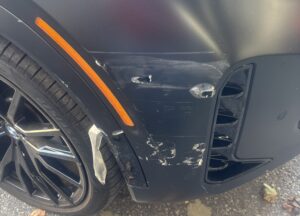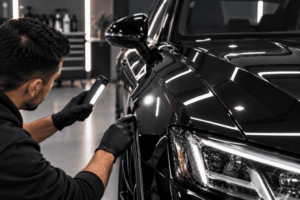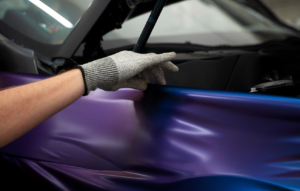
That makes it particularly effective on high-impact areas such as the front bumper, hood, fenders, mirrors, rocker panels, and lower doors.
But there is an important distinction:
If your only goal is protecting high-impact areas, clear PPF is usually the more practical choice. If you want a full colour change and protection at the same time, coloured PPF becomes much more compelling.
At It’s aWrap™ in Mississauga, we install both clear and coloured PPF, so the right recommendation depends on whether your priority is appearance, protection, or both.

What Makes an Area of a Car “High Impact”?
High-impact areas are the parts of a vehicle most frequently exposed to stones, gravel, sand, road debris, salt, insects, and other hazards while driving.
Typical high-impact zones include:
- Front bumper
- Hood
- Front fenders
- Side mirrors
- Headlights
- Rocker panels
- Lower doors
- A-pillars and leading roof edge
The exact areas that need the most protection depend on how and where you drive.
If you want a deeper breakdown of which panels should be prioritized, see our guide to choosing PPF for high-impact areas.
How Does Coloured PPF Protect These Areas?
Coloured PPF uses a protective urethane construction similar in principle to traditional clear Paint Protection Film.
Instead of simply changing the appearance of the panel like conventional vinyl, the film is designed to absorb and resist everyday physical impacts before they reach the factory paint underneath.
Depending on the specific product, coloured PPF can help protect against:
- Stone chips
- Road debris
- Light scratches and surface marks
- Bug residue
- Road salt and grime
- Environmental contamination
Many premium coloured PPF products also include self-healing topcoats that can reduce the appearance of light surface marks when exposed to warmth.
However, no PPF should be described as damage-proof. Large stones, deep scratches, punctures, collisions, and severe impacts can still damage both the film and, in some cases, the surface underneath.
Is Coloured PPF as Protective as Clear PPF?
It can be, but you need to compare the specific films rather than assuming every coloured PPF performs exactly like every clear PPF.
Protection depends on factors such as:
- Film construction
- Thickness
- Urethane layer
- Topcoat technology
- Adhesive system
- Manufacturer specifications
A premium coloured PPF can provide substantial impact protection, but the colour itself is not what makes the film protective.
The underlying PPF construction does.
If you like your existing paint colour and only want protection, our clear Paint Protection Film options are generally the more straightforward solution.
When Does Coloured PPF Make Sense for High-Impact Protection?
Coloured PPF makes the most sense when protection is only part of the goal.
For example, you may want to:
- Change a white vehicle to dark green
- Convert gloss paint to a satin or matte appearance
- Choose a metallic or specialty colour not available from the factory
- Protect the original paint while making a dramatic visual change
In these situations, coloured PPF gives you both the styling change and the protective film in one installation.
You can explore available finishes on our coloured PPF service page.
Why Coloured PPF Is Usually Installed Full Body
This is where coloured PPF differs significantly from clear PPF.
With clear PPF, partial-front and full-front packages work naturally because the film allows the original paint colour to remain visible.
With coloured PPF, installing film only on the bumper, hood, and fenders would usually create two different exterior colours.
That is why coloured PPF is most commonly used as a full-body colour-change solution.
A full coloured PPF installation can protect:
- Front and rear bumpers
- Full hood
- Front and rear fenders
- Doors
- Quarter panels
- Rocker panels
- Roof
- Trunk or liftgate
- Side mirrors
The high-impact areas receive protection, but so does the rest of the exterior.
When Partial Coloured PPF Can Make Sense
Partial coloured PPF isn’t impossible. It simply needs to be intentional.
It can work well when the film is being used for:
- A contrasting hood
- A different-colour roof
- Accent panels
- Rocker-panel styling
- Specific design elements
In those cases, the colour difference is part of the design rather than an unintended mismatch.
If your only objective is protecting the front bumper, hood, fenders, and mirrors while keeping the existing colour, clear PPF will normally make more sense.
Coloured PPF vs Clear PPF for High-Impact Areas
| Feature | Coloured PPF | Clear PPF |
|---|---|---|
| Main Goal | Colour change + protection | Preserve original paint + protection |
| High-Impact Protection | Yes, depending on film specification | Yes, depending on film specification |
| Partial-Front Coverage | Usually not ideal for a full colour-change goal | Very common |
| Full-Body Coverage | Most common for complete colour changes | Optional for maximum paint preservation |
| Appearance Change | Major colour and finish change | Usually preserves original colour |
| Best For | Drivers wanting styling and protection together | Drivers primarily focused on paint protection |
Coloured PPF vs Vinyl Wrap for High-Impact Areas
Coloured PPF is also different from traditional vinyl wrap.
Vinyl wrap is primarily designed as a styling material. It can provide a sacrificial layer over the paint, but it should not be treated as a substitute for PPF when stone-chip and impact protection are priorities.
Coloured PPF uses a thicker protective construction designed specifically to absorb physical impacts.
So if you’re deciding between the two:
- Choose vinyl wrap when appearance and colour selection are your primary goals.
- Choose coloured PPF when you want a colour change plus meaningful impact protection.
- Choose clear PPF when you want to preserve your existing factory colour while protecting vulnerable areas.
If styling is your main priority, compare our car wrap options with coloured PPF before deciding.
Why Rocker Panels Matter More Than Many Drivers Realize
The front bumper and hood get most of the attention when people think about PPF, but rocker panels and lower doors can be extremely vulnerable.
The tires continually throw:
- Gravel
- Sand
- Salt
- Slush
- Road grime
against the lower sides of the vehicle.
This is particularly relevant on vehicles with wide tires, aggressive wheel fitment, or bodywork that flares outward behind the front wheels.
With full-body coloured PPF, these panels receive the same protective coverage as the more obvious front-end impact zones.
Does Coloured PPF Self-Heal?
Many premium coloured PPF products include self-healing topcoats, but the exact behaviour varies by film.
Self-healing is generally intended for light surface marks.
It does not repair:
- Deep scratches
- Film punctures
- Tears
- Severe stone impacts
- Damage extending through the film
If a panel of coloured PPF becomes physically damaged, that section of film may need to be replaced.
Does Coloured PPF Protect Against Salt and Winter Driving?
PPF provides a physical barrier between the factory finish and the contamination encountered during winter driving.
That includes exposure to:
- Road salt
- Liquid brine
- Sand and winter aggregate
- Slush
- Dirty highway spray
However, protection doesn’t mean the film should never be cleaned.
Regular washing and removal of accumulated contamination help maintain the appearance of the PPF over time.
Does Finish Affect High-Impact Protection?
Gloss, matte, and satin primarily describe the appearance of the film.
You shouldn’t assume one finish provides greater stone-chip protection simply because it looks different.
The actual protective characteristics come from the film construction and specifications.
That means your finish decision can primarily be based on appearance, while the film itself should be selected for the protection and longevity characteristics you expect.
Which Coloured PPF Brands Should You Consider?
At It’s aWrap™, we work with coloured PPF options from manufacturers including 3M, Pure PPF, and SVG, depending on the vehicle, colour, finish, and customer’s goals.
Each manufacturer offers a different selection of colours and finishes, so we recommend comparing the actual film rather than choosing based solely on the brand name.
If you’re specifically interested in 3M, see our 3M coloured PPF options.
Does Coloured PPF Make Sense for Daily Drivers?
Absolutely—it isn’t limited to exotic or luxury vehicles.
A daily-driven vehicle may actually experience more road exposure than a weekend sports car.
Coloured PPF can make sense for:
- Daily commuters
- Teslas and other EVs
- Performance vehicles
- Luxury vehicles
- SUVs
- Enthusiast cars
The bigger question is whether you value the combination of colour change and physical protection enough to justify the additional cost compared with traditional vinyl.
Who Should Choose Coloured PPF?
Coloured PPF is a strong fit if:
- You want to completely change your vehicle’s colour
- You also care about stone-chip protection
- You want to preserve the factory paint underneath
- You regularly drive on highways or debris-heavy roads
- You plan to keep the vehicle for several years
- You prefer one product that provides styling and protection together
Who Should Choose Clear PPF Instead?
Clear PPF is generally the better choice if:
- You already like your factory colour
- You only want to protect high-impact panels
- You want partial-front or full-front protection
- You don’t need an exterior colour change
- You want the protection to remain as visually discreet as possible
This is exactly why we offer both products rather than treating coloured PPF as the right answer for every vehicle.
Coloured PPF Installation in Mississauga
At It’s aWrap™, we’ve been installing automotive films in Mississauga since 2010.
We can help you decide whether your vehicle is better suited to:
- Clear front-end PPF
- Full-body clear PPF
- Full-body coloured PPF
- A traditional vinyl colour change
If you’re considering a colour change with built-in protection, explore our coloured PPF options and compare the available colours and finishes in person.
Contact It’s aWrap™ to discuss the right protection and colour-change option for your vehicle.
Frequently Asked Questions
Is coloured PPF good for rock chips?
Yes. Quality coloured PPF is designed to provide physical protection against everyday stone and road-debris impacts. The exact level of protection depends on the specific film and its construction.
Can I put coloured PPF only on my bumper and hood?
You can, but if the film is a different colour from the vehicle, the result will obviously be two-tone. If you only want front-end protection while keeping your factory colour, clear PPF usually makes more sense.
Is coloured PPF thicker than vinyl wrap?
Generally, yes. PPF is designed as a protective urethane film, while vinyl wrap is primarily a styling material. Exact thickness varies by product.
Can damaged coloured PPF be replaced one panel at a time?
Often, yes. If one panel is damaged, the film on that panel may be removable and replaceable. Colour consistency should be checked, particularly on older installations where the replacement film may come from a different production batch.
Does coloured PPF prevent all paint damage?
No. It significantly reduces exposure to many common road hazards, but no protective film can prevent every form of impact or physical damage.
Final Thoughts: Coloured PPF Is More Than a Colour Change
Coloured PPF can protect high-impact areas extremely well, but that isn’t usually the main reason to choose it over clear PPF.
Its real advantage is that it combines colour transformation and impact protection in one product.
If you love your existing paint and simply want to protect the vulnerable areas, clear PPF is usually the more efficient choice.
If you want an entirely different look while also protecting the original finish underneath, full-body coloured PPF becomes much more compelling.