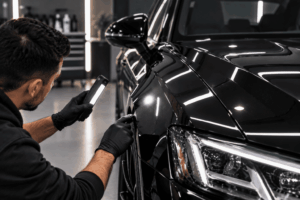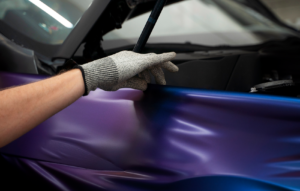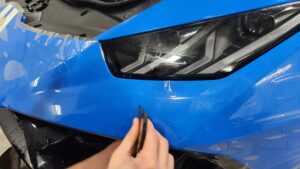
Not every part of your car takes the same level of abuse. Ontario roads expose vehicles to loose gravel, winter salt, road debris, construction zones, and highway driving—all of which can leave their mark on your paint.
That’s where Paint Protection Film (PPF) provides the most value. By protecting the panels that are most likely to take an impact, PPF can help prevent stone chips, scratches, staining, and other everyday damage before it reaches your factory paint.
But do you need full-body protection, or is targeted coverage enough?
At It’s aWrap™ in Mississauga, we’ve spent more than 15 years helping vehicle owners choose PPF coverage based on how and where they actually drive. Here’s what Ontario drivers should consider when deciding which areas of their vehicle need protection.
What Are the High-Impact Areas on a Car?
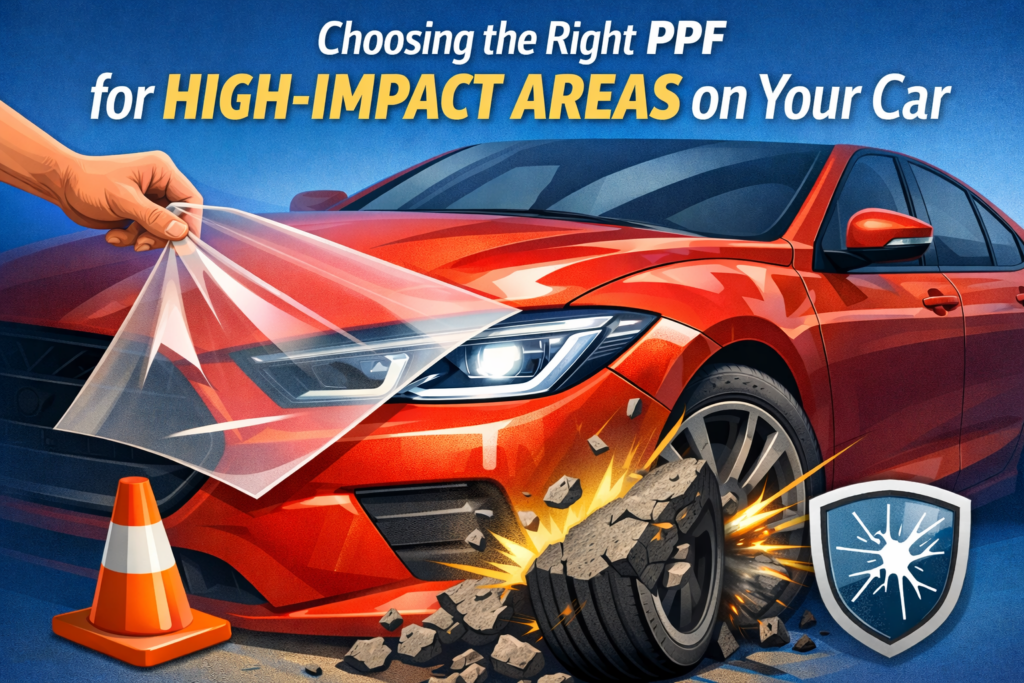
Your vehicle’s high-impact zones are the panels most frequently exposed to rocks, gravel, salt, sand, insects, and other road debris.
These commonly include:
- Front bumper
- Hood
- Front fenders
- Side mirrors
- Rocker panels
- A-pillars
- Lower doors
- Rear bumper loading area
The exact areas worth protecting depend heavily on your vehicle and driving habits. A vehicle spending most of its time on the 401, 403 or QEW, for example, may benefit from more coverage than a vehicle primarily driven short distances around the city.
Our guide to Ontario road hazards and PPF protection takes a closer look at the conditions that can damage vehicle paint across the GTA.
Partial PPF vs Full-Body PPF
PPF doesn’t have to mean covering the entire vehicle. One of its biggest advantages is the ability to choose coverage based on your priorities and budget.
For many drivers, protecting the front end and other high-impact areas provides an excellent balance between cost and protection. Other owners prefer complete coverage so that every painted panel receives the same protection.
If you’re deciding between the two approaches, see our full-body vs partial PPF coverage guide for a more detailed comparison.
Choosing the Right PPF Coverage Package
There isn’t one PPF package that’s right for every vehicle. Your commute, annual mileage, vehicle value, ownership plans, and tolerance for paint damage should all influence the decision.
1. Partial Front Coverage
Partial coverage is an entry-level option designed to protect some of the areas most exposed to road debris. Depending on the package, this can include the front bumper and portions of the hood and fenders.
It can make sense for drivers who want additional protection while keeping their initial investment lower.
2. Full Front Coverage
For many Ontario drivers, full-front PPF offers the best balance of coverage and cost. A typical full-front package protects the:
- Full hood
- Full front fenders
- Front bumper
- Side mirrors
- Headlights, depending on the package
Because these panels receive much of the direct impact from highway debris, full-front protection is particularly useful for commuters and drivers who spend significant time on Ontario highways.
3. Additional High-Impact Coverage
Some vehicles benefit from protection beyond the front end. Rocker panels and lower doors, for example, can be exposed to debris thrown from the tires. Rear bumper loading areas can also become scratched when loading groceries, luggage, strollers, tools, or other cargo.
Adding PPF selectively to these areas lets you build a protection package around the way your particular vehicle is used.
4. Full-Body PPF
For owners who want the most comprehensive solution, full-body PPF protects virtually all painted exterior panels.
This is particularly appealing for luxury vehicles, sports cars, EVs, dark-coloured vehicles, and vehicles that owners plan to keep long-term. It also eliminates the difference between protected and unprotected painted panels.
You can explore our available coverage options on our paint protection film service page.
Why High-Impact PPF Makes Sense in Ontario
Ontario creates a challenging environment for automotive paint throughout the year:
- Winter: Salt, sand, slush, and road debris are constantly thrown against lower and forward-facing panels.
- Spring: Loose aggregate, pothole repairs, and debris left behind after winter increase the risk of impacts.
- Summer: Highway driving, construction zones, insects, and environmental contaminants affect exposed surfaces.
- Fall: Dirt, moisture, road grime, and changing temperatures create another demanding season for vehicle finishes.
PPF creates a sacrificial barrier between these hazards and your paint. Instead of a stone striking the clear coat directly, it first contacts the film.
Film Quality Makes a Difference
Coverage is only one part of choosing PPF. The quality of the film and installation matter just as much.
Premium PPF is engineered to provide optical clarity, resistance to staining and yellowing, and self-healing properties for light surface marks. Lower-quality films may initially look similar but can behave very differently after years of UV exposure, temperature changes, washing, and Ontario winters.
We break down the differences between manufacturers in our guide to the top PPF film brands.
Proper PPF Care Matters Too
Once the film is installed, proper maintenance helps preserve its appearance and performance. That means avoiding abrasive automatic washes, removing contaminants before they have time to stain, using appropriate cleaning products, and being careful around film edges when pressure washing.
For complete aftercare recommendations, see our PPF care and maintenance guide.
Can PPF Help Preserve Resale Value?
PPF doesn’t guarantee a higher resale price, but preserving original factory paint can be valuable when it comes time to sell or trade a vehicle.
Stone chips, scratches, and repainted panels can affect a vehicle’s cosmetic condition. PPF helps reduce that exposure by protecting the original finish during ownership.
This is particularly relevant for newer vehicles and owners who expect to keep their cars for several years. Our PPF long-term savings guide looks more closely at the financial considerations.
Should You Add Ceramic Coating Over PPF?
PPF and ceramic coating serve different purposes. PPF is primarily designed to provide physical impact protection, while ceramic coating improves hydrophobic performance, chemical resistance, gloss, and ease of cleaning.
Applying ceramic coating over compatible PPF can therefore provide a useful combination: impact protection underneath and easier maintenance on the surface.
Learn more about our ceramic coating services in Mississauga and Oakville.
So, How Much PPF Do You Actually Need?
For many Ontario drivers, full-body PPF isn’t necessary. The goal should be to protect the areas that face the greatest risk based on how you use your vehicle.
City drivers may be comfortable with targeted front-end protection. Highway commuters often benefit from full-front coverage and additional protection on rocker panels or other exposed areas. Long-term owners and enthusiasts may prefer full-body PPF for consistent protection across the entire vehicle.
The best approach isn’t automatically the most expensive package—it’s the coverage that makes sense for your vehicle, driving habits, and ownership plans.
Protect the Areas That Take the Most Abuse
Ontario road conditions can be hard on vehicle paint, but you don’t necessarily need to protect every panel to make PPF worthwhile. Strategic coverage of the bumper, hood, fenders, mirrors, rockers, and other high-impact areas can prevent much of the damage associated with everyday driving.
At It’s aWrap™, we can recommend a PPF package based on your vehicle and how you drive it rather than simply pushing maximum coverage.
Ready to protect your vehicle? Contact It’s aWrap™ to discuss the right PPF coverage for your vehicle.