Factory-tinted glass primarily changes how much visible light passes through the window. Aftermarket automotive film can add benefits such as solar heat rejection, UV protection, glare reduction, and additional privacy depending on the film you choose.
At It’s aWrap™ in Mississauga, we regularly help drivers from Mississauga, Oakville, Milton, Burlington, and Toronto decide whether their factory privacy glass already meets their needs or whether adding aftermarket film makes sense.
Here’s how the two compare.
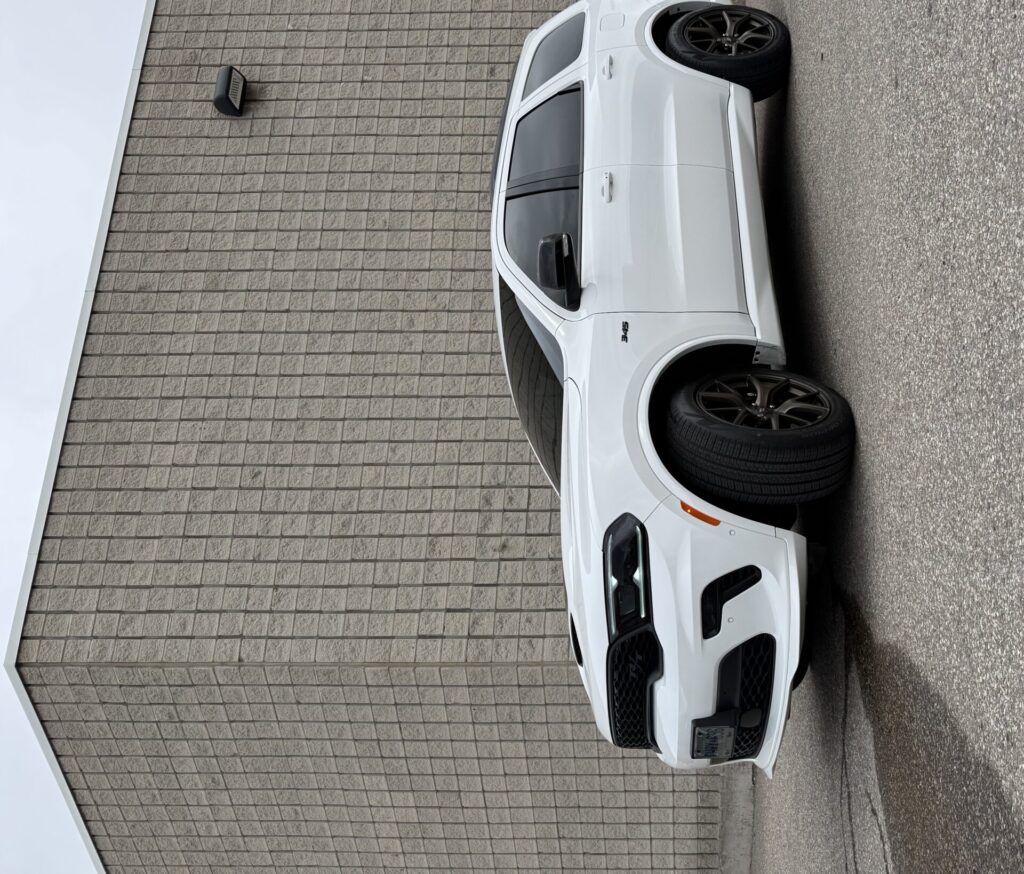
What Is Factory Tint?
What drivers commonly call factory tint is usually privacy glass. The darker appearance is built into the glass during manufacturing rather than created by applying an aftermarket film to the inside of the window.
Privacy glass is particularly common on the rear doors, quarter windows, and rear glass of SUVs, trucks, vans, and crossovers.
What Factory Privacy Glass Does Well
- Adds rear-cabin privacy
- Creates a darker factory appearance
- Doesn’t peel or bubble because the colour is part of the glass rather than an applied film
- Requires no special film maintenance
However, the dark appearance alone doesn’t tell you how effectively the glass rejects solar heat. Two windows that look equally dark can perform very differently when exposed to the sun.
What Is Aftermarket Window Tint?
Aftermarket window tint is a thin automotive film professionally installed on the interior surface of the glass.
Unlike factory privacy glass, aftermarket film allows you to choose both the shade and the film technology based on what you want from the installation.
At It’s aWrap™, we offer three primary window-film options:
- Carbon tint — an affordable quality option for privacy, UV protection, and everyday performance
- Nano carbon tint — improved performance and heat rejection compared with conventional carbon film
- Nano ceramic tint — our premium option for drivers prioritizing heat rejection, optical clarity, and overall performance
We do not offer dyed window film. Our tint options are selected for drivers looking for longer-term performance rather than the cheapest possible film.
You can compare these film technologies in our ceramic vs carbon window tint guide.
Factory Tint vs Aftermarket Tint: Key Differences
| Feature | Factory Privacy Glass | Aftermarket Window Tint |
|---|---|---|
| How It’s Made | Darkness is incorporated into the glass | Performance film applied to the interior glass surface |
| Privacy | Yes, usually on rear glass | Adjustable based on selected shade |
| Solar Heat Rejection | Varies by factory glass | Can be significantly improved with performance films |
| UV Protection | Varies by glass construction | High-quality automotive films can provide substantial UV protection |
| Glare Reduction | Some, depending on darkness | Adjustable based on film and shade |
| Shade Choice | Fixed from factory | Multiple VLT options available |
| Film Technology Choice | No | Carbon, nano carbon, or nano ceramic |
Does Factory Tint Block Heat?
Factory privacy glass can reduce some solar energy simply because of the characteristics of the glass, but darkness should not be confused with heat rejection.
This is one of the biggest misconceptions we encounter.
A dark rear window can still allow considerable solar energy into the cabin. Performance aftermarket films are engineered specifically to manage solar heat, which means a lighter premium film can sometimes deliver stronger heat-rejection performance than darker privacy glass.
For drivers who park outdoors during Ontario summers or spend significant time commuting, this is often the main reason to add film over factory-tinted rear glass.
Can You Put Window Tint Over Factory Privacy Glass?
Yes. Aftermarket window film can generally be installed over factory privacy glass because the factory colour is within the glass itself rather than an existing film that needs to be removed.
This is common on SUVs and trucks.
For example, an owner may already like the darkness of the rear privacy glass but want:
- Better heat rejection
- Additional UV protection
- A closer visual match between the front and rear windows
- More privacy in the rear cabin
The installer can select a film based on the existing glass and the owner’s desired final appearance.
Do You Need Dark Tint to Get Better Heat Rejection?
No—and this is another important distinction between tint darkness and tint performance.
Visible Light Transmission (VLT) tells you how much visible light passes through the glass. A lower VLT means a darker appearance.
But a darker film is not automatically a higher-performing film.
A quality nano ceramic tint can provide excellent solar heat rejection without requiring extremely dark glass. This is useful for drivers who want greater comfort while maintaining better visibility.
Our window tinting service in Mississauga and Oakville includes carbon, nano carbon, and nano ceramic options so the film can be selected based on both appearance and performance.
What About UV Protection?
Modern automotive glass already provides some degree of UV filtering, but performance varies depending on the type of glass and vehicle.
Aftermarket automotive film provides an additional, specified layer of UV protection. Premium films are particularly useful for drivers concerned about prolonged sun exposure or fading and deterioration of interior materials over time.
This can be valuable for:
- Leather and synthetic upholstery
- Dashboards
- Door panels
- Trim materials
- Vehicle occupants during longer drives
Rather than assuming dark factory glass automatically provides maximum UV or heat protection, evaluate the actual performance of the glass and film.
Factory Tint vs Aftermarket Tint for SUVs and Trucks
This comparison is especially relevant for SUV and truck owners because many of these vehicles arrive with darker rear privacy glass and relatively clear front door windows.
There are generally two goals when adding aftermarket film:
Matching the Front Windows to the Rear
Some drivers primarily want a more uniform appearance. An appropriate shade can reduce the visual contrast between the front doors and factory-darkened rear glass.
Improving Performance Across the Entire Cabin
Other drivers choose performance film on both the front and rear glass. Even though the rear windows already look dark, installing quality film over them can improve solar heat rejection and UV performance.
This is where choosing the film technology becomes more important than simply choosing how dark you want the windows to look.
Carbon vs Nano Carbon vs Nano Ceramic
Because we don’t offer dyed tint, the choice at It’s aWrap™ generally comes down to these three levels.
Carbon Tint
Carbon is our value-focused option. It provides a clean appearance, privacy, UV protection, and better long-term colour stability than inexpensive dyed films.
Nano Carbon Tint
Nano carbon is the middle ground for drivers looking for increased performance without moving all the way to our premium ceramic option.
It offers stronger heat-rejection performance while retaining a quality non-reflective appearance.
Nano Ceramic Tint
Nano ceramic is our premium option for drivers prioritizing heat rejection, optical clarity, and overall cabin comfort.
It’s particularly attractive for:
- Vehicles with large glass areas
- EVs and hybrids
- Long-distance commuters
- Drivers frequently parking outdoors
- Owners who want strong performance without relying solely on very dark tint
If you’re choosing between the different technologies, read our ceramic vs carbon tint comparison.
What About Ontario Window Tint Laws?
Ontario drivers also need to consider visibility and legal requirements before choosing a shade.
The Highway Traffic Act requires the driver to maintain a clear view and prohibits window treatments that obstruct that view or substantially obscure the vehicle’s interior through the windshield and windows directly beside the driver.
Ontario’s vehicle inspection standards also place specific requirements on windshield and front-side glass, particularly on newer vehicles.
Because the rules differ depending on the location of the glass and can involve both road-use and vehicle-inspection requirements, we don’t recommend choosing a tint percentage based solely on how it looks on another vehicle.
A professional installer can explain the practical considerations for the windows you want tinted and help you make an informed choice.
How Long Does Aftermarket Tint Last?
Quality automotive film can last many years when properly installed and maintained, but there isn’t one guaranteed lifespan for every tint.
Longevity depends on:
- Film construction and quality
- Installation
- Sun and heat exposure
- How often the vehicle is parked outdoors
- Cleaning products and techniques
- Condition of window seals and channels
Premium carbon and ceramic films generally offer better colour stability and longevity than inexpensive entry-level films.
For a deeper look at longevity in our climate, see our guide to how long window tint lasts in Canadian weather.
How to Care for Aftermarket Window Tint
After installation, proper care can help keep the film clear and looking its best.
- Wait the recommended curing period before rolling the windows down
- Use an ammonia-free interior glass cleaner
- Clean with a soft microfiber towel
- Avoid scraping the inside surface of tinted glass
- Be careful around film edges
Some temporary haze or small moisture pockets can also be normal immediately after installation while the film cures.
Which Is Better: Factory Tint or Aftermarket Tint?
It isn’t necessarily a question of one replacing the other.
Factory privacy glass is excellent if your main goal is a darker rear appearance and additional privacy.
Aftermarket tint makes more sense when you want additional control over heat rejection, UV protection, glare, privacy, and overall cabin comfort.
For vehicles that already have rear privacy glass, adding quality film can allow you to keep the factory appearance while upgrading its performance.
Window Tinting in Mississauga & Oakville
At It’s aWrap™, we’ve been working on vehicles in Mississauga since 2010. We offer carbon, nano carbon, and nano ceramic window films for drivers looking for everything from affordable privacy to premium heat rejection.
Rather than recommending the darkest or most expensive film automatically, we’ll help you compare the different technologies, shades, existing factory glass, and how you actually use your vehicle.
Explore our window tinting options in Mississauga and Oakville, or contact It’s aWrap™ for a recommendation based on your vehicle.
Final Thoughts
Factory tint and aftermarket tint may look similar from the outside, but they aren’t the same product.
Factory privacy glass primarily provides a darker appearance and privacy. Aftermarket film allows you to choose a specific shade and performance level, with carbon, nano carbon, and nano ceramic films offering different levels of heat rejection, UV protection, and comfort.
If your vehicle already has dark rear glass, you don’t necessarily need to make it darker. The right aftermarket film can instead be chosen to improve performance while maintaining the appearance you already like.