If you’re considering Paint Protection Film (PPF), you’ve probably experienced a bit of sticker shock after requesting a quote. It’s one of the most common questions we hear:
“Is Paint Protection Film actually worth it?”
The answer depends on your vehicle, your driving habits and how long you plan to keep it. For some owners, PPF is one of the smartest investments they can make. For others, it may not provide enough value to justify the cost.
Rather than giving everyone the same answer, it’s important to understand what Paint Protection Film actually does, who benefits from it the most and when it makes sense to invest in it.
At It’s aWrap™, we’ve been installing Paint Protection Film since 2010 for drivers throughout Mississauga, Oakville, Milton, Burlington and Toronto. Here’s how to decide whether PPF is the right choice for your vehicle.
What Does Paint Protection Film Actually Protect Against?
Paint Protection Film is a transparent polyurethane film designed to absorb the everyday damage that would otherwise reach your vehicle’s factory paint.
Unlike ceramic coatings, which primarily improve gloss and make your vehicle easier to clean, PPF creates a physical barrier between your paint and the road.
Premium Paint Protection Film helps protect against:
- Stone chips.
- Road debris.
- Bug acids.
- Bird droppings.
- Tree sap.
- Light scratches.
- Minor swirl marks.
- UV exposure.
Many modern films also feature self-healing technology, allowing light surface scratches to disappear with heat from the sun or warm water.
If you’re new to Paint Protection Film, it’s worth understanding that its primary purpose isn’t to make your vehicle shinier—it’s to help preserve the original factory finish that can be difficult and expensive to repair once damaged.
Who Gets the Most Value from Paint Protection Film?
Although almost any vehicle can benefit from Paint Protection Film, some owners see a much greater return on their investment than others.
PPF is often an excellent choice if you:
- Recently purchased a new vehicle.
- Own a luxury, exotic or performance vehicle.
- Drive frequently on highways where stone chips are common.
- Plan to keep your vehicle for several years.
- Take pride in maintaining your vehicle’s appearance.
- Want to preserve the factory paint for future resale.
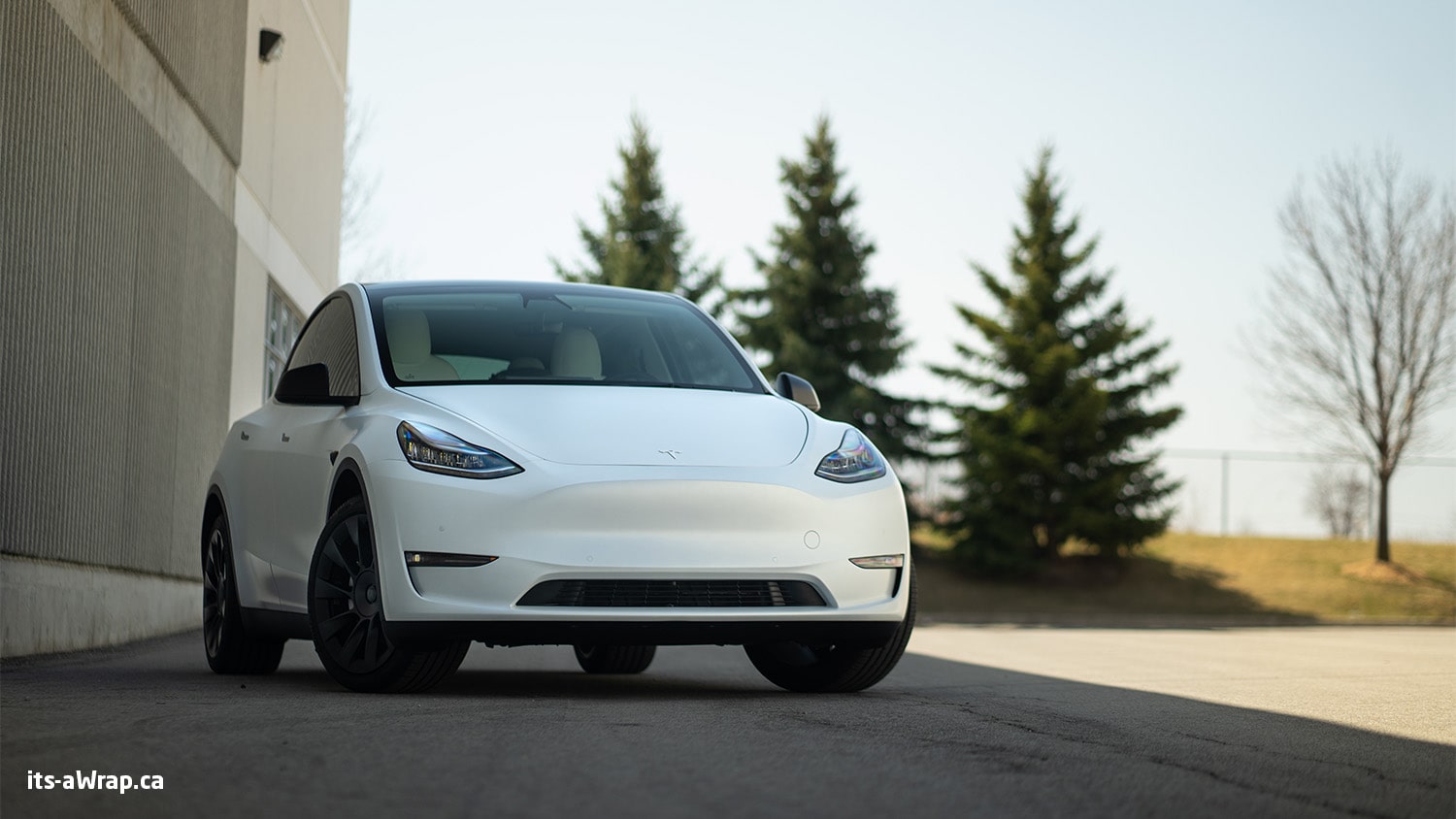
Many Tesla owners, for example, choose Paint Protection Film shortly after taking delivery because highway driving can quickly expose the front of the vehicle to stone chips and road debris.
For drivers who spend a significant amount of time commuting, protecting the highest-impact areas often provides long-term peace of mind.
When Paint Protection Film Might Not Be Worth the Investment
One of the biggest misconceptions about Paint Protection Film is that every vehicle needs it.
The reality is that PPF isn’t the right solution for everyone.
You may decide not to install Paint Protection Film if:
- Your vehicle already has extensive paint damage.
- You plan to sell or trade it in within a year or two.
- You rarely drive and your vehicle spends most of its time in storage.
- Your budget would be better spent addressing existing cosmetic repairs first.
Sometimes protecting only the front bumper, hood and mirrors provides the ideal balance between protection and cost. Other owners choose full vehicle coverage because they intend to keep their vehicle for many years.
The right solution depends on your priorities—not simply your budget.
Paint Protection Film vs. Repairing Damaged Paint
When deciding whether PPF is worthwhile, it helps to compare the cost of protection with the potential cost of repairing damaged paint.
Modern automotive paint systems are designed to be durable, but repairing them isn’t always simple. Even relatively small repairs may require colour matching, blending adjacent panels and refinishing sections of the vehicle to achieve a factory-quality result.
While Paint Protection Film can’t prevent every type of damage, it significantly reduces exposure to many of the hazards that commonly affect the front of a vehicle during everyday driving.
For many owners, preventing repeated paint repairs becomes one of the strongest reasons for investing in PPF.
Should You Protect the Entire Vehicle?
Not every vehicle requires full-body Paint Protection Film.
Many owners choose different levels of protection depending on how they drive and which parts of the vehicle are most vulnerable.
Common coverage options include:
- Partial Front: Protection for the highest-impact areas while keeping costs lower.
- Full Front: Covers the front bumper, full hood, full fenders and mirrors for more comprehensive protection.
- Track Pack: Adds protection to additional high-impact areas for enthusiastic drivers.
- Full Vehicle: Maximum protection for owners who want to preserve every painted surface.
If you’re unsure which option makes the most sense, our guide on choosing the right Paint Protection Film coverage explains the advantages of each package.
Paint Protection Film vs. Ceramic Coating: Which Offers Better Value?
One of the most common questions we receive is whether Paint Protection Film or ceramic coating offers the better investment.
The answer depends on what you’re trying to protect against.
Paint Protection Film is designed to protect your vehicle from physical damage such as stone chips, road debris and light scratches by creating a durable barrier over the paint.
Ceramic coating, on the other hand, is designed to enhance gloss, improve water repellency and make routine washing easier. While it offers excellent protection against contaminants and UV exposure, it does not provide the same impact resistance as Paint Protection Film.
Many vehicle owners choose to combine both products by installing Paint Protection Film on the most vulnerable areas and applying a ceramic coating over the entire vehicle for easier maintenance and additional chemical resistance.
If you’re comparing both options, our guide on Paint Protection Film vs. Ceramic Coating explains when each product makes the most sense and why they often work best together.
Does Paint Protection Film Help Preserve Resale Value?
Although no protection product can guarantee a higher resale value, maintaining your vehicle’s original paint can make a meaningful difference when it’s time to sell or trade it in.
Buyers generally place more value on vehicles with original, well-maintained paint than those that have visible stone chips, scratches or signs of repainting.
Because Paint Protection Film helps reduce many of the small imperfections that naturally accumulate over years of driving, it can help your vehicle present better during resale while giving you the satisfaction of driving a cleaner-looking vehicle throughout ownership.
For many owners, that peace of mind is just as valuable as any potential financial return.
Paint Protection Film Is an Investment in Ownership, Not Just Resale
It’s easy to focus on whether Paint Protection Film will “pay for itself,” but that isn’t always the best way to evaluate its value.
Many owners choose PPF because they simply enjoy driving a vehicle that continues to look its best year after year.
Instead of worrying about every loose stone on the highway or every bug splatter after a road trip, they have the confidence of knowing the areas most likely to be damaged are protected.
For drivers who genuinely care about maintaining their vehicle, that peace of mind often becomes one of the biggest benefits of Paint Protection Film.
Frequently Asked Questions
Is Paint Protection Film worth it on a daily driver?
For many daily drivers, especially those that spend significant time on highways, Paint Protection Film can help reduce stone chips and preserve the vehicle’s appearance over years of ownership.
Should I install PPF on a used vehicle?
Yes, provided the paint is in good condition. Existing chips and scratches will still be visible beneath the film, so many owners choose to correct paint imperfections before installation.
Is full-body Paint Protection Film necessary?
Not always. Many owners achieve an excellent balance of protection and value by protecting only the front bumper, hood, fenders and mirrors, where most road debris impacts occur.
Can Paint Protection Film be combined with ceramic coating?
Absolutely. Applying a ceramic coating over Paint Protection Film is a popular option because it improves water repellency, makes washing easier and helps keep the film cleaner.
How long does Paint Protection Film last?
The lifespan depends on the manufacturer, installation quality and ongoing maintenance. Premium films are designed to provide many years of protection when properly cared for.
So, Is Paint Protection Film Worth It?
For the right vehicle and owner, absolutely.
If you drive regularly, plan to keep your vehicle for several years or simply want to preserve your factory paint from everyday road damage, Paint Protection Film is one of the most effective protective upgrades available.
However, it isn’t a necessity for every vehicle. If you’re planning to sell your car soon, already have significant paint damage or rarely drive, a different level of protection—or a partial PPF package—may make more sense.
The goal isn’t to buy the most expensive package. It’s to choose the level of protection that matches how you use your vehicle.
Paint Protection Film Installation in Mississauga
At It’s aWrap™, we’ve been helping drivers protect their vehicles with premium Paint Protection Film since 2010. Whether you’re considering a full front package or complete vehicle coverage, we’ll explain your options and recommend a solution based on your vehicle, your driving habits and your long-term ownership goals.
Learn more about our Paint Protection Film services, compare clear and coloured Paint Protection Film, browse our recent installations, or contact us for a free consultation and personalized quote.