Paint Protection Film (PPF) isn’t only for exotic cars or vehicles that spend most of their lives in a garage. Some of the vehicles that benefit most from PPF are daily-driven cars, pickup trucks and motorcycles that regularly encounter highway debris, construction zones, gravel, road salt and other hazards.
What changes from vehicle to vehicle is where the protection is most valuable.
A low sports car travelling regularly on Highway 401 has different vulnerable areas than a pickup truck used on gravel roads. A motorcycle presents another challenge entirely, with exposed painted surfaces and frequent contact from riding gear.
At It’s aWrap™ in Mississauga, we approach PPF coverage according to the vehicle, how it is driven and what the owner actually wants to protect. Here’s how that changes across different types of vehicles.
What Does Paint Protection Film Actually Protect Against?
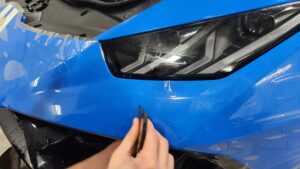
PPF is a transparent urethane film installed over painted exterior surfaces. Its primary purpose is to create a sacrificial barrier between the factory paint and the hazards encountered during normal driving.
Depending on the film and the severity of the impact, PPF can help protect against:
- Stone chips and road debris
- Light scratches and abrasions
- Bug splatter
- Bird droppings and other environmental contaminants
- Road salt and winter grime
- Minor contact in vulnerable areas
Many premium films also have self-healing topcoats that allow light surface marks in the film to diminish when exposed to heat.
PPF isn’t indestructible. A sufficiently hard impact can penetrate the film or damage the panel underneath. The objective is to absorb the type of everyday damage that would otherwise reach your paint directly.
PPF for Daily-Driven Cars
For an everyday car, the front of the vehicle usually receives the most abuse. The bumper, hood, fenders and mirrors are directly exposed to stones and debris thrown from vehicles ahead.
This is why full-front PPF is one of the most practical coverage options for daily drivers.
A typical full-front installation can protect:
- Full front bumper
- Full hood
- Full front fenders
- Side mirrors
- Other vulnerable areas depending on the vehicle
For drivers who do significant highway mileage around Mississauga and the GTA, protecting these forward-facing surfaces can prevent a considerable amount of accumulated paint damage.
If you’re unsure whether the front end is enough, our comparison of full-body vs. partial PPF coverage explains where the additional protection makes sense.
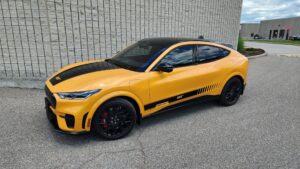
PPF for Sports Cars and Performance Vehicles
Sports and performance cars present some unique challenges.
Many have low front bumpers, wide rear quarter panels, flared wheel arches and aggressive aerodynamic components. Those design features look great, but they can also place certain painted surfaces directly in the path of road debris.
On these vehicles, we pay particular attention to areas such as:
- Front bumper and splitter
- Hood
- Front fenders
- Mirror caps
- Rocker panels
- Rear quarter panels ahead of or behind the wheels
Wide rear tires can throw debris toward the quarter panels and rocker areas, so front-end protection alone may leave some surprisingly vulnerable surfaces exposed.
For an enthusiast vehicle with high-value factory paint, full-body PPF may also make sense. It protects far more of the exterior against light scratches, environmental contamination and everyday contact while retaining the appearance of the original paint.
PPF for Luxury Cars
Luxury vehicles don’t necessarily require different PPF, but owners often have different priorities.
Maintaining the original paint may be particularly important on a newer Mercedes-Benz, BMW, Porsche, Audi or other premium vehicle. Repainting a panel may correct physical damage, but it also means that panel no longer carries its original factory finish.
For these vehicles, clarity, installation quality and edge finishing become especially important. Properly installed premium clear PPF should be difficult to notice unless you’re specifically looking for it.
Owners planning to keep the vehicle long term may choose full-body coverage, while others concentrate protection on high-impact areas. Our guide to the most important high-impact areas for PPF provides a more detailed breakdown.
PPF for Pickup Trucks
Pickup trucks are a particularly good example of why PPF coverage shouldn’t be identical for every vehicle.
A truck that spends its life commuting on paved roads may need little more than conventional front-end protection. A work truck, however, might encounter gravel, construction sites, tools, equipment and substantially more debris.
For trucks, we commonly consider protection for:
- Front bumper
- Hood
- Front fenders
- Mirrors
- Rocker panels
- Lower doors
- Areas around wheel arches
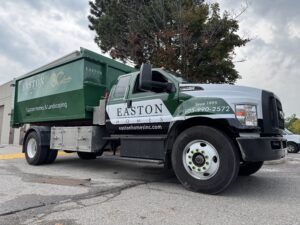
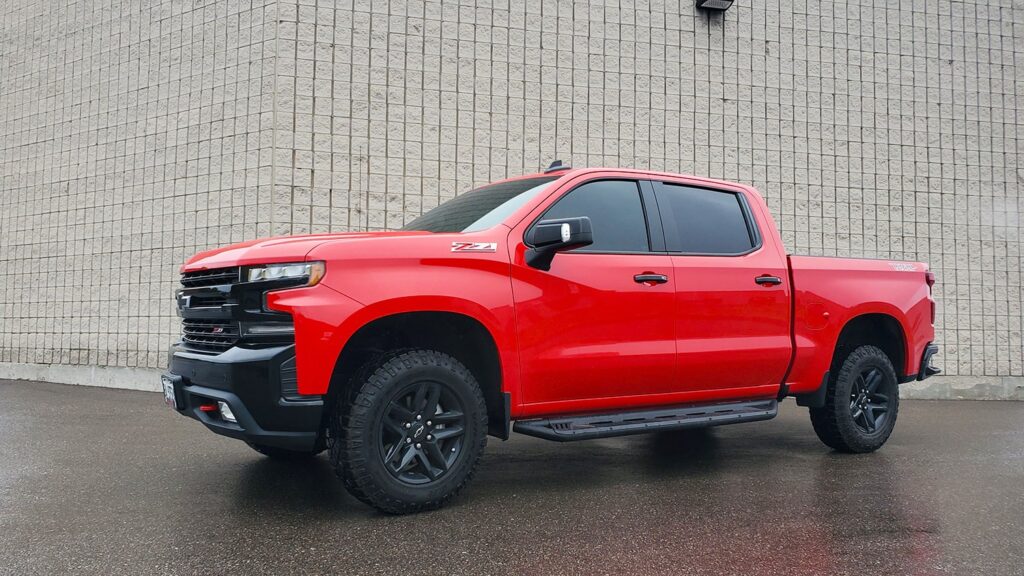
The Chevrolet Silverado shown above is a good example of the type of vehicle where PPF can be particularly useful. The large front-facing surfaces of a pickup can receive a substantial amount of road debris over years of driving.
What About Trucks Used Off-Road?
This is where expectations need to be realistic.
PPF can provide useful protection against gravel, brush contact and lighter abrasions, but it cannot make paint immune to serious off-road damage. A large branch dragged firmly across a panel or a significant stone impact can still damage the film and potentially the paint underneath.
For a truck that regularly sees gravel roads or trails, however, strategically protecting the highest-risk panels can make a noticeable difference in accumulated wear.
PPF for SUVs and Crossovers
SUVs and crossovers generally benefit from similar protection to passenger cars, but their size and use can change the recommended coverage.
Family SUVs often accumulate significant mileage and may spend years travelling highways, cottage roads and winter routes. Front bumpers, hoods and mirrors remain obvious targets, while rocker panels and lower doors may also be worth considering.
Another commonly overlooked area is the rear loading zone. Loading strollers, luggage, sports equipment or other cargo can create scratches around painted rear bumper surfaces on certain vehicles. Small pieces of PPF can sometimes be used strategically in these contact areas without protecting the entire vehicle.
PPF for Motorcycles
Motorcycles require a different approach because the exposed painted surfaces are smaller and the sources of damage are different.
Road debris remains a concern, particularly around the front-facing surfaces, but rider contact is equally important.
Depending on the motorcycle, useful PPF areas can include:
- Fuel tank
- Front fender
- Fairings
- Side panels
- Areas contacted by knees, jackets, zippers or riding gear
A fuel tank, for example, may accumulate fine scratches simply from repeated contact with clothing and equipment. Strategically installed film provides a replaceable surface over the original finish.
Can PPF Be Installed on Other Types of Vehicles?
Potentially, yes. PPF can be used on many compatible painted surfaces beyond conventional passenger cars.
However, we wouldn’t recommend assuming that every surface on an RV, trailer, boat or specialty vehicle is automatically suitable for automotive PPF. Surface material, finish, shape, condition and intended use all matter.
For specialty vehicles, the better approach is to assess the specific surface and the type of protection required before deciding whether PPF is the appropriate material.
Partial PPF vs. Full-Body PPF: Which Makes Sense?
The answer depends less on the type of vehicle than on how you use it and what you expect from the film.
Partial or front-end coverage makes sense when your main concern is stone chips and highway debris. It directs the investment toward the panels most likely to be damaged.
Full-body PPF makes more sense when you want comprehensive protection against chips, light scratches, environmental contamination and everyday wear across virtually all painted panels.
Neither is automatically the “right” choice.
A daily commuter may receive excellent value from full-front protection, while someone purchasing a high-end vehicle and planning to preserve the original paint for many years may consider full-body coverage worthwhile.
Ontario Driving Conditions Matter Too
The vehicle itself is only half of the equation. Where and how you drive matters just as much.
Ontario vehicles regularly encounter highway debris, construction zones, freeze-thaw cycles, winter road salt and loose material on the road. Drivers commuting regularly through the GTA can accumulate thousands of kilometres of exposure every year.
We’ve broken down these local risks separately in our guide to Ontario road hazards and PPF protection.
How to Maintain PPF on Any Vehicle
Regardless of whether PPF is installed on a car, truck, SUV or motorcycle, proper care helps preserve the appearance and condition of the film.
Some of the most important habits include washing regularly, removing bug splatter and bird droppings promptly, avoiding aggressive chemicals and being careful with high-pressure water around film edges.
PPF doesn’t require complicated maintenance, but treating it correctly matters. For detailed instructions, see our PPF care and maintenance guide.
Which Type of Vehicle Benefits Most From PPF?
There isn’t one.
The better question is: how exposed is the vehicle’s paint to damage, and how important is preserving that paint to you?
A $40,000 daily driver covering 30,000 kilometres a year can have more practical need for PPF than a much more expensive car driven only occasionally. Likewise, a work truck travelling through construction areas may benefit from strategically placed film just as much as a sports car.
The best PPF package is therefore based on the vehicle’s design, mileage, driving environment, ownership plans and the surfaces you care most about preserving.
Professional PPF Installation in Mississauga
At It’s aWrap™, we install paint protection film for vehicles throughout Mississauga, Oakville and the GTA. Rather than recommending the same package for every vehicle, we can identify the areas most exposed to damage and help determine whether targeted, full-front or full-body coverage makes the most sense.
Explore our paint protection film services in Mississauga, view examples of our previous work in our vehicle protection portfolio, or contact It’s aWrap™ to discuss the right coverage for your vehicle.