If you’re considering a colour change, matte finish or completely new look for your vehicle, one of the first questions you’ll probably ask is: how long does a vinyl wrap last?
For a professionally installed wrap using quality automotive cast vinyl, roughly 5–7 years is a useful general expectation. But that number isn’t a guarantee. The actual lifespan can vary considerably depending on the film, colour and finish, installation quality, where the vehicle is parked, which panels are wrapped and how the vehicle is maintained.
At It’s aWrap™ in Mississauga, we’ve been wrapping vehicles since 2010. That means we don’t just see vinyl on installation day. We see wrapped vehicles return years later for repairs, removal, rewrapping and other services. Ontario weather can be demanding on exterior films, and how a wrap is treated over those years makes a noticeable difference.
How Long Does a Car Wrap Typically Last?
Most drivers should think of a vinyl wrap as a multi-year, removable vehicle finish rather than a permanent colour change. With premium film, professional installation and reasonable care, many wraps remain presentable for approximately 5–7 years.
However, we’ve learned over the years that asking how old a wrap is only tells part of the story. Two vehicles wrapped with the same film at the same time can age differently.
A garage-kept weekend vehicle may experience considerably less exposure than a daily driver parked outside throughout the year. A commercial vehicle travelling every day may experience different wear again. Even individual panels on the same car can age at different rates.
That is also why you should be cautious when someone promises an exact lifespan for every wrap. The expected service life of the specific film and the real-world life of the finished wrap are not necessarily identical.
What Determines How Long a Vinyl Wrap Lasts?
There isn’t one factor that determines wrap lifespan. In our experience, longevity is usually the result of several things working together.
1. The Quality and Type of Vinyl
Film quality matters. Premium automotive cast vinyl is engineered to conform to vehicle surfaces and withstand outdoor exposure over an extended period.
At It’s aWrap™, we work with established automotive film manufacturers such as 3M, Avery Dennison and KPMF. Each manufacturer offers different colours, finishes and product specifications, so lifespan should always be considered in relation to the exact film being installed.
If you’re comparing manufacturers, we’ve put together a separate guide to the best car wrap brands and what you should actually look for when choosing vinyl.
2. Colour and Finish
Not every vinyl finish ages identically. Gloss, satin, matte, metallic, colour-shifting and other specialty films have different constructions and care requirements.
Some specialty finishes may also have different expected service lives from a conventional gloss colour. Before choosing purely based on appearance, it’s worth asking what the manufacturer specifies for that particular product.
We compare the appearance and practical differences between three of the most common options in our guide to matte vs. gloss vs. satin car wraps.
3. Horizontal vs. Vertical Panels
This is one of the factors vehicle owners often don’t consider.
A wrap doesn’t necessarily age uniformly across the entire car. Horizontal and near-horizontal surfaces such as the roof, hood and trunk tend to receive greater direct exposure to sunlight and environmental fallout than many vertical surfaces.
As a result, you may eventually notice ageing on an upper surface while the vinyl on the doors still looks comparatively good.
This is particularly relevant for vehicles parked outdoors for most of their lives.
4. Installation Quality
Premium vinyl cannot compensate for poor installation.
Vehicle preparation, cleaning, material handling, stretching, edge work and post-installation finishing can all affect how a wrap performs over time.
Problems associated with poor installation can include:
- Edges lifting prematurely
- Film pulling back from recesses
- Visible contamination beneath the vinyl
- Wrinkles or creases
- Poorly finished seams
- Damage to the paint from improper cutting techniques
Complex areas such as bumpers, mirrors and deep body contours require considerably more installation skill than a flat panel. This is one reason we recommend looking beyond price when comparing wrap installers.
For a deeper explanation, see our comparison of DIY car wrapping vs. professional installation.
How Ontario Weather Affects Vinyl Wrap Lifespan
A vehicle wrap in Southern Ontario experiences a very different environment from one in a mild climate.
Here in Mississauga and across the GTA, a daily-driven vehicle can experience hot summer sun, freezing winter temperatures, snow, road salt, slush and repeated freeze-thaw cycles within the same year.
Sun and UV Exposure
Long-term outdoor exposure is one of the biggest considerations for any exterior automotive film. Vehicles parked outside throughout the day generally experience more environmental exposure than vehicles regularly parked indoors or under cover.
Upper surfaces are particularly important because of the amount of direct sunlight they receive.
Winter Salt and Road Contamination
Ontario winters leave vehicles covered in salt, slush and road grime. Allowing contaminants to remain on the wrap for extended periods isn’t ideal, so regular cleaning becomes particularly important during winter.
You don’t need to obsessively wash the vehicle after every drive, but you also shouldn’t leave months of winter buildup sitting on the vinyl.
Temperature Changes
Automotive vinyl is designed for exterior use, but repeated seasonal temperature changes still contribute to the overall ageing environment of the material. Good film selection and proper installation become particularly important in a climate where a vehicle experiences both summer heat and freezing winter temperatures.
Which Parts of a Wrapped Car Usually Age First?
If a vehicle spends significant time outdoors, we pay particular attention to the hood, roof, trunk and other highly exposed surfaces as the wrap gets older.
Other areas can experience wear for different reasons. Lower panels encounter more road contamination, while edges and complex bodywork can be vulnerable if the film was poorly installed or repeatedly subjected to aggressive washing.
This is why judging an entire wrap by one panel can be misleading. A five-year-old vehicle may still have excellent-looking vinyl on its doors while an upper surface is beginning to show its age.
How Can You Make a Vinyl Wrap Last Longer?
You cannot stop exterior vinyl from ageing, but good maintenance can help you get the best service life and appearance from it.
Wash the Vehicle Regularly
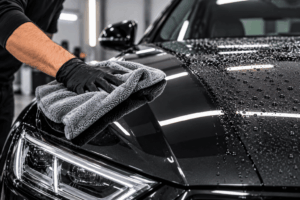
Hand washing is generally our preferred method because it gives you control over the products and pressure being used on the vinyl.
Use a clean wash mitt or microfiber and an appropriate automotive cleaner. Bird droppings, tree sap, bugs and other contaminants should be dealt with rather than being left on the surface for long periods.
Be Careful With Pressure Washing
A pressure washer isn’t automatically going to destroy a professionally installed wrap, but high pressure directed closely at vinyl edges or seams can cause problems. Maintain a sensible distance and don’t intentionally blast exposed edges.
Avoid Aggressive Automatic Brushes
Brush-style automatic washes can be unnecessarily aggressive on a wrapped finish. Touchless washing may be an alternative when hand washing isn’t practical, provided harsh chemicals and excessive pressure aren’t used.
Use Products Compatible With Your Vinyl
Don’t assume that every wax, compound, polish or detailing chemical designed for automotive paint is appropriate for vinyl.
This becomes particularly important with matte and satin films, where a product intended to increase gloss can alter the appearance of the finish. Follow the care recommendations for the specific vinyl installed on your vehicle.
We’ve covered the complete cleaning process in our guide on how to wash a wrapped car.
Park Indoors When Possible
You don’t need a garage to own a wrapped vehicle. Plenty of our customers daily-drive wrapped cars year-round in Ontario.
However, reducing unnecessary long-term exposure to sun and weather can help. If you have access to covered or indoor parking, using it regularly is beneficial for virtually any exterior automotive finish.
How Do You Know When a Vinyl Wrap Needs Replacing?
A wrap doesn’t suddenly reach its fifth or seventh birthday and become unusable. Ageing is progressive, and the condition of the film matters more than a number on a calendar.
Signs that it may be time to have the wrap inspected or removed include:
- Noticeable fading or colour change
- Cracking or splitting
- Vinyl becoming increasingly brittle
- Persistent edge lifting
- Significant deterioration on highly exposed panels
- Adhesive or film behaviour changing as the wrap ages
If you’re uncertain, have an experienced wrap installer inspect it. Removing an ageing wrap at an appropriate point is generally preferable to leaving severely deteriorated vinyl on the vehicle indefinitely.
Can You Leave a Vinyl Wrap on Too Long?
Yes, and this is something we think more vehicle owners should understand.
Vinyl wraps are designed to be removable, but that doesn’t mean they should remain on a vehicle forever. As film ages beyond its intended service life and experiences years of environmental exposure, removal can become more difficult.
Older, heavily weathered vinyl may become brittle and come off in smaller pieces rather than removing cleanly in larger sections. This can turn what should be a straightforward professional removal into a much more labour-intensive process.
If your wrap is clearly deteriorating, don’t wait several additional years simply because some areas still look acceptable.
We explain what to expect in more detail in our guide to vinyl wrap removal in Ontario.
Does Vinyl Wrap Protect the Paint Underneath?
Vinyl creates an additional layer over the painted surface, so it can help isolate the underlying paint from light scratches, staining and some everyday environmental exposure.
However, a colour-change vinyl wrap should not be confused with Paint Protection Film (PPF). Vinyl is primarily a restyling product. PPF is specifically engineered as a thicker protective film intended to absorb impacts from road debris and help protect against stone chips and other physical damage.
When a wrap is installed over healthy factory paint and professionally removed at an appropriate time, the OEM finish underneath can remain in excellent condition.
Repainted, repaired, peeling or otherwise compromised paint is different. There can be a greater risk of paint lifting during removal, which is why we ask about previous bodywork before wrapping a vehicle.
Is Vinyl Wrap Worth It If It Only Lasts Several Years?
For many owners, the fact that vinyl isn’t permanent is actually one of its biggest advantages.
You can completely change the appearance of the vehicle, enjoy that colour for several years and then remove or replace it without permanently committing the car to that finish.
Wrap also opens the door to colours and finishes that can be difficult or expensive to reproduce with conventional paint.
If you’re deciding between the two, our car wrap vs. paint comparison looks at the cost, durability, flexibility and long-term considerations of each option.
Professional Car Wraps in Mississauga
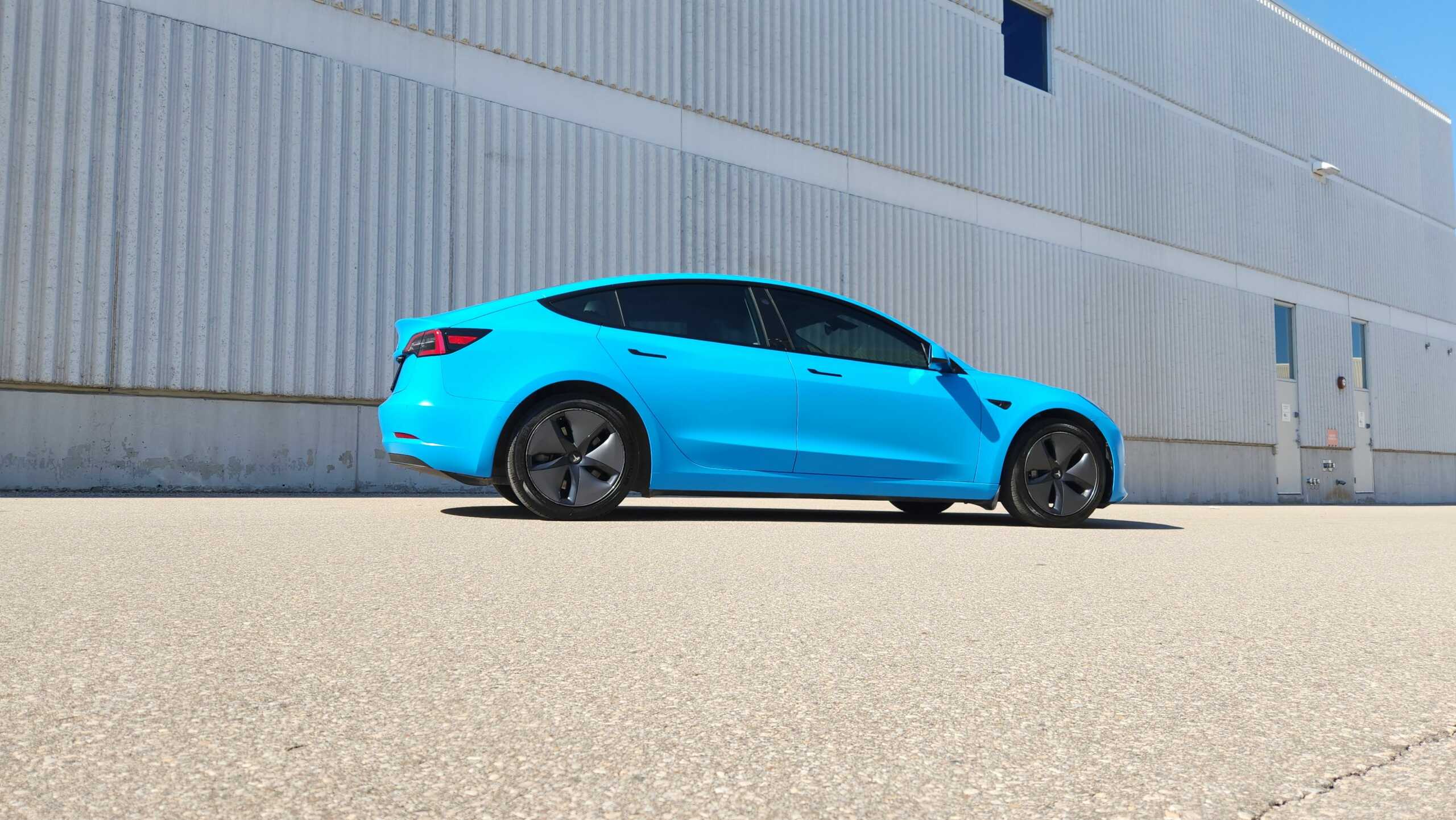
At It’s aWrap™, we’ve been wrapping vehicles in Mississauga since 2010. Over that time, we’ve worked with everything from daily drivers and Teslas to luxury, exotic and commercial vehicles.
That experience also means we’ve seen what happens after installation — how different films age, which areas experience the most exposure and how maintenance affects a wrap several years down the road.
We work with premium automotive vinyl from established manufacturers including 3M, Avery Dennison and KPMF, and we’ll explain the appropriate film, finish and care requirements before you make your decision.
Explore our car wrap services in Mississauga to see available options and learn more about our installation process.
Final Answer: How Long Should a Vinyl Wrap Last?
For a professionally installed vehicle wrap made from premium automotive cast vinyl, approximately 5–7 years is a reasonable general expectation. Some wraps may remain presentable longer under favourable conditions, while heavily exposed vehicles, particular finishes or individual panels may show signs of ageing sooner.
The biggest factors are the specific vinyl, installation quality, sun and weather exposure, panel orientation and maintenance.
If your goal is to keep the wrap looking good for as long as reasonably possible, choose quality film, have it installed properly, keep it clean and don’t ignore obvious signs of ageing when they eventually appear.
If you’re considering wrapping your vehicle or want an existing wrap inspected, contact It’s aWrap™ in Mississauga at 647-894-8082.