
How Paint Protection Film Can Increase Your Vehicle’s Resale Value
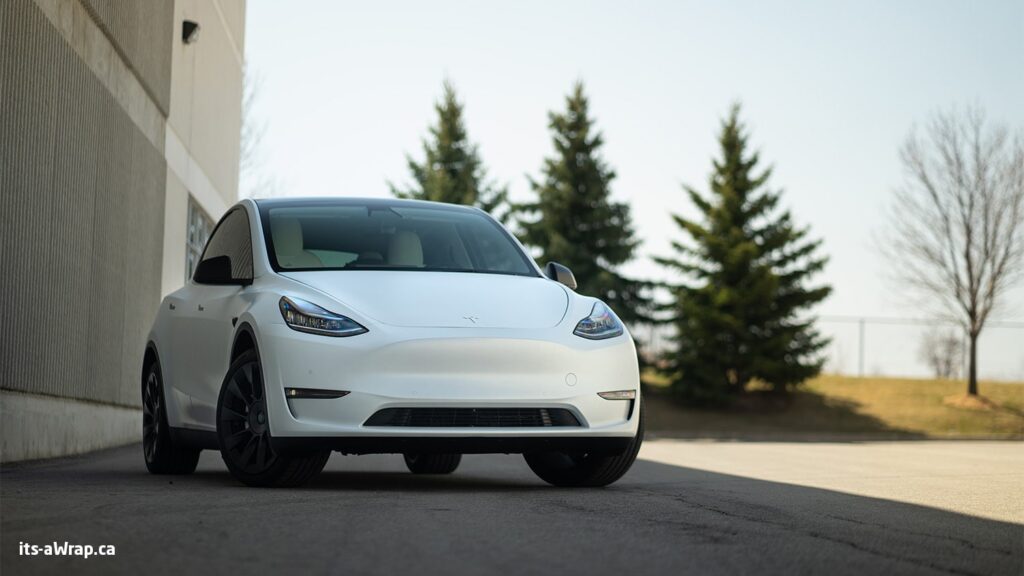
Applying Paint Protection Film (PPF) to your vehicle is an effective way to not only protect its exterior but also increase its resale value. Whether you own a luxury car, truck, or motorcycle in Mississauga or the Greater Toronto Area (GTA), PPF offers a protective layer that preserves your vehicle’s appearance, ensuring it remains in top condition for when you decide to sell or trade it in. In this article, we’ll explore how PPF can boost your vehicle’s resale value, how it’s applied to various types of vehicles, and why it’s an investment worth making.
What is Paint Protection Film and Why Does It Matter for Resale Value?
Paint Protection Film (PPF) is a clear, durable film that’s applied to a vehicle’s exterior to protect the paint from scratches, chips, road debris, and other environmental factors. The high-quality Xpel paint protection film, used by professionals like It’s aWrap in Mississauga, creates an invisible barrier that shields your car from damage while maintaining its aesthetic appeal.
When it comes to resale value, the condition of a vehicle’s paint is one of the key factors buyers consider. A well-maintained exterior free from imperfections can significantly increase the price you receive for your car. PPF helps maintain your car’s appearance over time, making it look like new and appealing to potential buyers.
Get a Free Quote for PPF Installation Today!
[Button to landing page with CTA: “Learn More About Our PPF Services!”]
How PPF Enhances Resale Value
1. Protects Against Damage and Wear
PPF acts as a shield against common causes of vehicle wear, including stone chips, scratches, bird droppings, and even harsh weather conditions. When applied correctly, it keeps the paint underneath in pristine condition, preserving the car’s original finish. Buyers are more likely to pay top dollar for a car with minimal paint imperfections, which is why the added protection from PPF increases its resale value.
2. Prevents Fading and Discoloration
UV rays can cause paint to fade over time, reducing the vehicle’s visual appeal. By applying PPF, you protect your car from the harmful effects of UV exposure. The film blocks UV rays, helping to prevent the paint from fading or discoloring. This not only keeps your vehicle looking newer for longer but also ensures that potential buyers see a vibrant, well-maintained vehicle when considering your car for purchase.
3. Minimizes the Need for Expensive Paint Touch-Ups
Traditional paint jobs can be costly to maintain. If a car is scratched or chipped, it often requires professional touch-ups or a full repaint to restore its appearance. This can be expensive and time-consuming. PPF prevents the need for frequent touch-ups, allowing you to maintain your car’s appearance without ongoing maintenance costs. This is an attractive selling point for buyers, especially if your car is in excellent condition.
4. Keeps Your Car Looking Like New
Over time, even the most careful owners can unintentionally damage their vehicle’s paint. Small scratches, dings, and chips can accumulate, making a car look worn out. However, with PPF applied to your vehicle, these imperfections are less likely to occur, helping to maintain the original look of your car. When it’s time to sell, a car that looks new will always fetch a higher resale value than one with noticeable imperfections.
PPF for Different Types of Vehicles
PPF for Luxury Cars
Luxury car owners in Mississauga and the GTA understand the importance of maintaining their vehicle’s aesthetic appeal and resale value. High-end vehicles often come with premium finishes that require extra protection to maintain their value. PPF offers an excellent solution, preserving the paint from minor damage and ensuring that the car retains its showroom quality.
With PPF, owners can protect high-impact areas such as the front bumper, hood, mirrors, and side panels. Some owners even choose full-body coverage for ultimate protection, especially if they frequently drive in urban environments where road debris and weather conditions can be damaging.
Benefits for Luxury Cars:
- Maximized resale value due to minimal visible damage
- Long-term protection against scratches, chips, and fading
- Enhanced aesthetics with a maintained, glossy finish
PPF for Trucks
Trucks, especially those that are used for work or off-roading, endure significant wear and tear. PPF is ideal for truck owners who want to preserve the appearance of their vehicle while protecting it from the elements. PPF can be applied to the front end of the truck, including the bumper, grille, and hood, areas that often experience the most damage.
For trucks that are used off-road, additional PPF can be added to the wheel arches, side panels, and other vulnerable areas.
Benefits for Trucks:
- Durable protection against rough conditions and road debris
- Preserved resale value due to reduced paint damage
- Protection from UV damage to keep the paint looking fresh
PPF for Motorcycles
Motorcycle owners in Mississauga and the GTA often overlook paint protection, but motorcycles are just as susceptible to paint damage as cars and trucks. Applying PPF to motorcycles helps to preserve the paint on high-impact areas such as the gas tank, front fender, and side panels. This can reduce the likelihood of damage from road debris, rocks, and other hazards.
Benefits for Motorcycles:
- Prevents scratches from gear and road debris
- Keeps paint vibrant and protected from UV exposure
- Increases resale value by maintaining the bike’s original condition
PPF for Other Vehicles
Vehicles such as RVs, boats, and trailers also benefit from PPF, particularly in areas that are prone to weather-related damage or environmental exposure. Whether you are protecting your RV from road debris or your boat from saltwater, PPF offers a layer of defense that helps preserve the vehicle’s condition for years to come.
Benefits for Other Vehicles:
- Weather protection from harsh elements like rain, snow, and saltwater
- Prevents corrosion and fading, which can decrease resale value
- Reduces maintenance costs by minimizing the need for paint touch-ups
PPF Care and Maintenance
Proper care and maintenance of your PPF are essential to ensure its long-lasting effectiveness. Fortunately, PPF is relatively low-maintenance. Regular washing and avoiding harsh chemicals will help maintain its clarity and effectiveness. It’s also important to follow manufacturer guidelines for optimal results.
By keeping the PPF in good condition, you’ll maximize its ability to protect your vehicle’s paint and increase your car’s resale value.
Conclusion: Protect Your Investment with PPF
Applying Paint Protection Film is a smart and worthwhile investment for anyone looking to maintain their vehicle’s resale value. Whether you own a luxury car, a truck, or a motorcycle, PPF offers protection that keeps your vehicle looking new, preserves its paint, and increases its market value. At It’s aWrap, we specialize in Xpel paint protection and offer expert installation for vehicles in Mississauga and the Greater Toronto Area.
Protect your investment and ensure you get top dollar when it’s time to sell. Contact us today for a consultation and learn how PPF can increase your vehicle’s resale value.