
A vinyl wrap could transform the appearance, while clear Paint Protection Film (PPF) could provide stronger protection against stone chips and road debris.
Coloured PPF combines those two goals.
It uses protective urethane film similar in principle to conventional PPF, but adds colour, metallic effects, gloss, satin, matte, and other finishes that can completely change the appearance of the vehicle.
That means the film isn’t simply decorative. It becomes a physical sacrificial layer over the factory paint while creating the colour change you actually see.
At It’s aWrap™ in Mississauga, we work with coloured PPF from manufacturers including 3M, Pure PPF, and SVG, depending on the colour, finish, vehicle, and protection goals.
What Is Coloured Paint Protection Film?
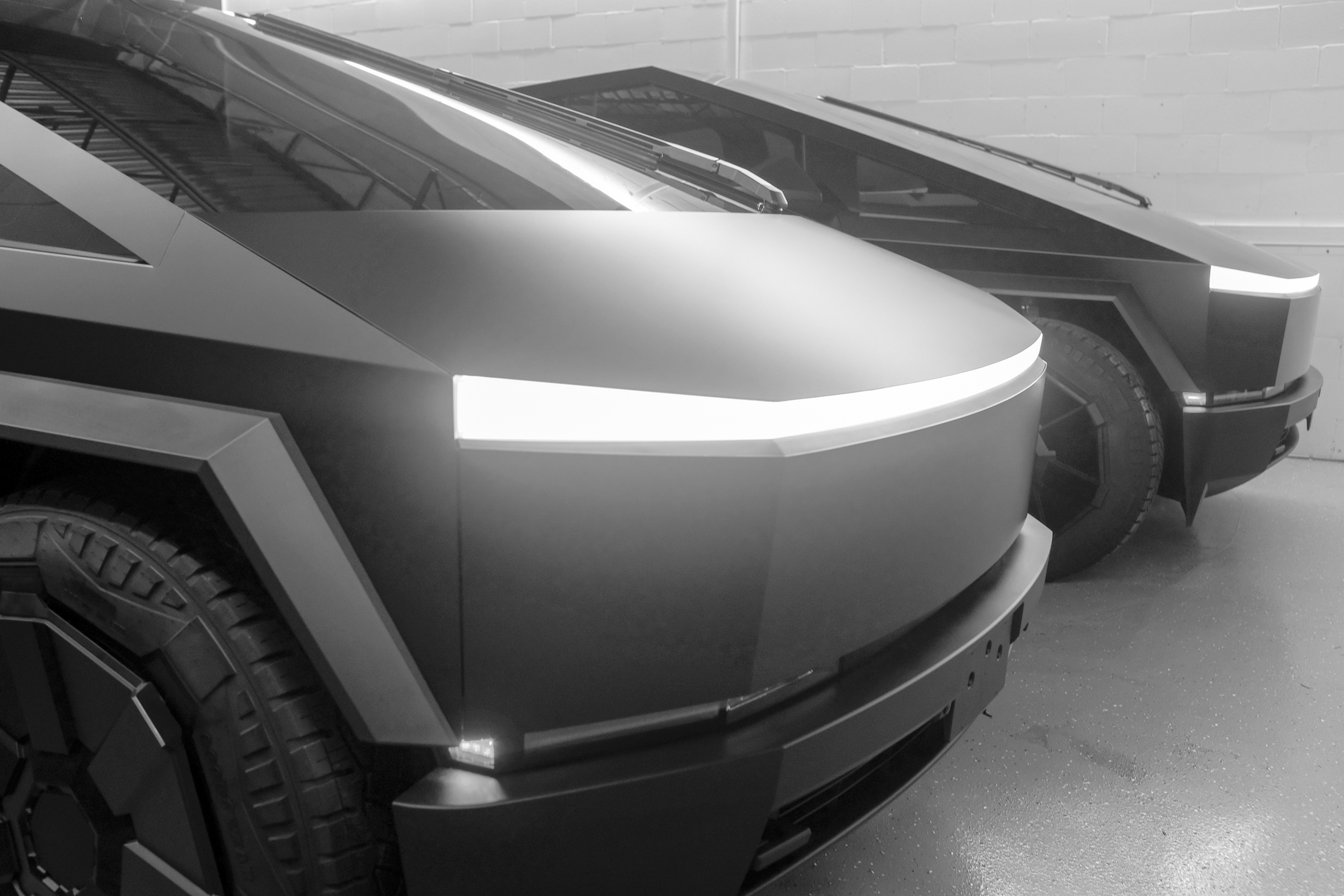
Coloured Paint Protection Film is a protective automotive film designed to cover the exterior paint while changing its visible colour or finish.
Like clear PPF, premium coloured films are typically built around a flexible urethane layer engineered to absorb and resist everyday physical impacts.
Depending on the specific product, the film may also incorporate:
- A coloured or effect layer
- A protective topcoat
- Self-healing properties for light surface marks
- Resistance to staining and environmental contamination
- An adhesive system designed for automotive installation
The result is a product that can dramatically alter the vehicle’s appearance while maintaining the protective purpose of PPF.
You can see the broader range of options on our coloured PPF service page.
How Does Coloured PPF Protect the Paint?
The most important difference between coloured PPF and a conventional colour-change vinyl wrap is the way the film is constructed.
PPF is designed specifically as a protective material. Its thicker urethane construction creates a physical barrier between the road and the factory paint.
When small stones, sand, gravel, insects, or other debris hit the vehicle, the film receives the impact first.
This can help reduce damage from:
- Stone chips
- Road debris
- Light scratches
- Minor surface abrasions
- Bug residue
- Bird droppings
- Tree sap
- Road salt and environmental contamination
No film can make a vehicle completely damage-proof. Severe impacts, punctures, collisions, and deep scratches can still damage PPF and potentially the surface beneath it.
But for normal road exposure, coloured PPF provides substantially more physical protection than a styling film alone.
The Film Takes the Damage Instead of the Paint
One of the easiest ways to understand PPF is to think of it as a replaceable sacrificial layer.
Without PPF, a stone impact reaches the clear coat and paint directly.
With PPF installed, the debris first encounters the film.
If the film eventually becomes damaged badly enough, that section can often be removed and replaced rather than repairing and repainting the body panel underneath.
This is particularly useful on vehicles where preserving healthy factory paint is a priority.
What Does “Self-Healing” Coloured PPF Actually Mean?
Many premium coloured PPF products use self-healing topcoats.
That does not mean every scratch disappears or that damaged film repairs itself completely.
Self-healing technology is primarily intended to reduce the appearance of light surface marks and fine scratches when the material is exposed to warmth.
It generally cannot repair:
- Deep scratches
- Stone punctures
- Torn film
- Damaged edges
- Impacts that penetrate the film
When physical damage is significant, replacing the affected section may be the appropriate solution.
How Does Coloured PPF Change the Appearance of the Car?
The colour is incorporated into the film itself, allowing the original paint to remain underneath while the exterior takes on an entirely different appearance.
Depending on the manufacturer and product line, coloured PPF is available in finishes such as:
- High gloss
- Matte
- Satin
- Metallic
- Pearlescent
- Colour-shifting and specialty effects
That gives owners the ability to make a subtle change or completely transform the vehicle.
A factory white car, for example, could become deep gloss green, metallic grey, satin black, or another completely different finish without permanently repainting the vehicle.
Gloss, Matte and Satin Can Make the Same Colour Look Completely Different
Finish choice has a major effect on the final result.
Gloss Coloured PPF
Gloss film produces stronger reflections and greater colour depth, often creating an appearance closer to traditional automotive paint.
Matte Coloured PPF
Matte film reduces reflections and produces a more muted appearance that can dramatically change how the vehicle’s body lines are perceived.
Satin Coloured PPF
Satin sits between the two, retaining some reflection while producing a softer finish than full gloss.
None of these finishes is automatically more protective simply because of the way it looks. The actual performance depends on the construction and specifications of the individual film.
Does Coloured PPF Protect Against Stone Chips?
Yes. Impact protection is one of the fundamental reasons coloured PPF exists.
Forward-facing areas such as the:
- Front bumper
- Hood
- Front fenders
- Mirrors
- Rocker panels
- Lower doors
receive repeated exposure to stones, gravel, road debris, and winter aggregate.
With a full-body coloured PPF installation, these areas receive protective film along with the rest of the vehicle.
If protecting high-impact areas is your main concern and you don’t want to change the vehicle’s colour, conventional clear Paint Protection Film may be the more practical option.
Why Coloured PPF Is Usually a Full-Body Installation
Clear PPF can easily be installed only on the front end because the original paint remains visible through the film.
Coloured PPF works differently.
If you installed green PPF only on a white vehicle’s bumper and hood, for example, you would end up with an intentional—or unintended—two-tone appearance.
For that reason, coloured PPF is commonly installed across the entire painted exterior when the goal is a complete colour transformation.
This has an additional protective benefit: rather than protecting only the panels most likely to encounter stone chips, full-body coloured PPF provides coverage across doors, quarter panels, rear bumper, roof, and other painted surfaces as well.
Does Coloured PPF Protect Against UV Exposure and Contamination?
Quality automotive films are designed to withstand outdoor exposure, and premium coloured PPF topcoats can offer resistance to contaminants encountered during everyday driving.
These can include:
- Bug residue
- Bird droppings
- Tree sap
- Road grime
- Salt and brine
- Other environmental contaminants
The film also creates an additional barrier between the original paint and direct environmental exposure.
However, that doesn’t mean contamination should simply be left sitting on the film indefinitely. Proper washing and maintenance still matter.
Can You Apply Ceramic Coating Over Coloured PPF?
Many coloured PPF products can be paired with a compatible ceramic coating.
The PPF provides the physical impact protection, while ceramic coating can improve:
- Hydrophobic behaviour
- Ease of washing
- Resistance to environmental contamination
- Gloss on compatible glossy finishes
The coating should always be selected based on the specific PPF, particularly with matte or satin films where maintaining the intended appearance is important.
Learn more about our ceramic coating options.
Coloured PPF vs Vinyl Wrap: What’s the Difference?
This is one of the most important comparisons for anyone considering a full colour change.
| Feature | Coloured PPF | Vinyl Wrap |
|---|---|---|
| Primary Purpose | Colour change + paint protection | Colour change and styling |
| Stone-Chip Protection | Designed for impact protection | Limited compared with PPF |
| Construction | Protective urethane film | Thinner vinyl film |
| Colour Selection | Rapidly expanding | Typically broader |
| Cost | Higher | Lower |
| Best For | Owners wanting colour change and protection together | Owners primarily focused on appearance |
Vinyl remains an excellent choice when the main goal is styling and access to a very broad colour catalogue.
Coloured PPF is more compelling when you want to change the appearance while also investing in physical paint protection.
If you’re weighing the styling route instead, explore our car wrap options.
Is Coloured PPF Better Than Clear PPF?
Neither is inherently better. They solve slightly different problems.
Choose clear PPF if:
- You love your factory paint colour
- Your main goal is protecting the original finish
- You only want front-end or targeted coverage
- You want the film to be as visually discreet as possible
Choose coloured PPF if:
- You want a completely different exterior colour
- You also want meaningful stone-chip protection
- You prefer full-body protection
- You want to preserve the factory colour underneath rather than repainting
Which Coloured PPF Brands Does It’s aWrap™ Offer?
At It’s aWrap™, we work with coloured PPF from manufacturers including 3M, Pure PPF, and SVG, depending on the colour, finish, vehicle, and customer’s requirements.
We don’t recommend choosing purely by brand name.
Different manufacturers may offer different:
- Colour selections
- Finish options
- Film specifications
- Topcoat characteristics
- Warranty terms
The best choice is the film that delivers the appearance and performance you want for the actual vehicle.
If you’re specifically interested in the brand, explore our dedicated 3M coloured PPF options.
How Long Does Coloured PPF Last?
There isn’t one correct lifespan for every coloured PPF product.
Longevity depends on:
- The specific manufacturer and film
- Installation quality
- UV exposure
- Vehicle storage
- Horizontal vs vertical surfaces
- Driving conditions
- Washing and maintenance
Rather than assuming every coloured PPF lasts exactly ten years, review the warranty and expected service life of the specific product being installed.
Does Coloured PPF Help Preserve the Original Paint?
That is one of its primary benefits.
The original paint remains underneath the film instead of being permanently replaced with a new paint colour.
During ownership, the PPF can reduce direct exposure to many of the stone chips, light scratches, and environmental contaminants that would otherwise reach the finish.
This does not guarantee a specific resale value, but preserving healthy factory paint can be beneficial when the vehicle is eventually sold or traded.
Can Coloured PPF Be Removed?
Yes. Quality automotive PPF is designed to be removable when installed over suitable paint.
That allows an owner to:
- Change to another colour later
- Replace damaged film
- Return to the factory colour
- Prepare the vehicle for sale
As with any automotive film, removal should be handled carefully, particularly on repainted or previously repaired panels.
Installation Quality Is Critical With Coloured PPF
Because coloured PPF changes the appearance of the entire vehicle, installation details can be especially noticeable.
A professional installation needs to account for:
- Surface preparation
- Panel alignment
- Film tension
- Edges
- Seams and inlays
- Door handles and trim
- Complex curves
- Original paint visible between panels
- Colour consistency across the vehicle
A high-quality film cannot compensate for poor installation.
For a convincing full colour change, both the material and installer matter.
Is Coloured PPF Worth It?
It depends on what you expect from the product.
If you only want to change your vehicle’s colour as affordably as possible, traditional vinyl wrap will usually make more financial sense.
If you only want to protect your existing factory colour, clear PPF may be the better fit.
But if your goal is specifically to transform the appearance while adding meaningful physical paint protection, coloured PPF occupies a useful middle ground that neither traditional product can provide on its own.
See Coloured PPF Before Choosing
Coloured PPF can look very different in person than it does on a website or social media.
Lighting, metallic particles, body shape, gloss level, and surrounding colours can all change how the film appears.
Whenever possible, compare physical samples and completed installations before making your decision.
You can browse examples of our colour-change and protection work in the It’s aWrap™ portfolio.
Coloured PPF Installation
At It’s aWrap™, we’ve been installing automotive films since 2010 and have worked on daily drivers, Teslas, luxury vehicles, performance cars, SUVs, and enthusiast builds.
We can help you compare coloured PPF, traditional clear PPF, and vinyl wrap based on what actually matters to you: appearance, protection, maintenance, budget, and how long you plan to keep the vehicle.
Explore our coloured PPF options or contact It’s aWrap™ to compare colours and finishes.
Frequently Asked Questions
Does coloured PPF protect against rock chips?
Yes. Coloured PPF is built as a protective film and can help absorb common stone and road-debris impacts. Protection varies by the specific film, and severe impacts can still cause damage.
Is coloured PPF just coloured vinyl?
No. Vinyl wrap and coloured PPF are different materials designed for different primary purposes. Vinyl focuses on styling, while coloured PPF combines styling with a thicker protective urethane construction.
Does coloured PPF scratch?
It can. PPF is resistant to many light surface marks but is not scratch-proof. Many premium products include self-healing topcoats designed to reduce the appearance of minor marks.
Can coloured PPF replace clear PPF?
Yes, if you also want a colour change. If you want to preserve the factory colour, clear PPF is generally the more appropriate choice.
Can coloured PPF be ceramic coated?
Many products can, provided the coating is compatible with the film. Matte and satin finishes require particular attention so the coating doesn’t alter the intended appearance.
Final Thoughts
Coloured PPF looks impressive because it can completely transform a vehicle—but its biggest difference from a conventional wrap is what’s happening underneath that appearance.
The film is also providing a physical protective layer over the original paint.
That combination makes coloured PPF particularly attractive for owners who don’t want to choose between customization and protection.
Choose the right film, compare colours in person, understand the product specifications, and work with an experienced installer. The result can be a vehicle that looks completely different while keeping the factory finish protected underneath.